Description
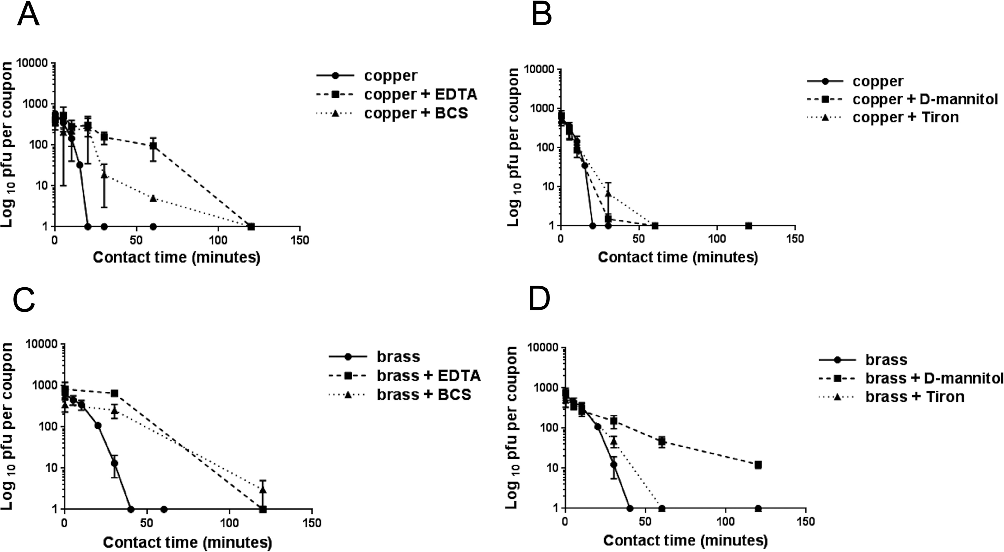
Scanning electron microscopy or surface characterization images of the tested materials are presented alongside their corresponding viral persistence data.
More Figures from This Paper
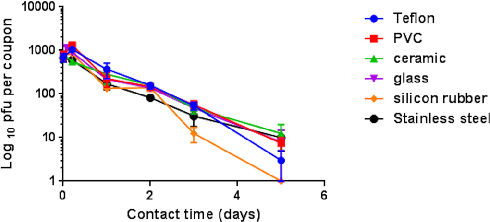
Figure 3
Viral titer decay curves on stainless steel and other metal surfaces demonstrate that coronavirus 229E can remain infectious for several days under ambient conditions.
chart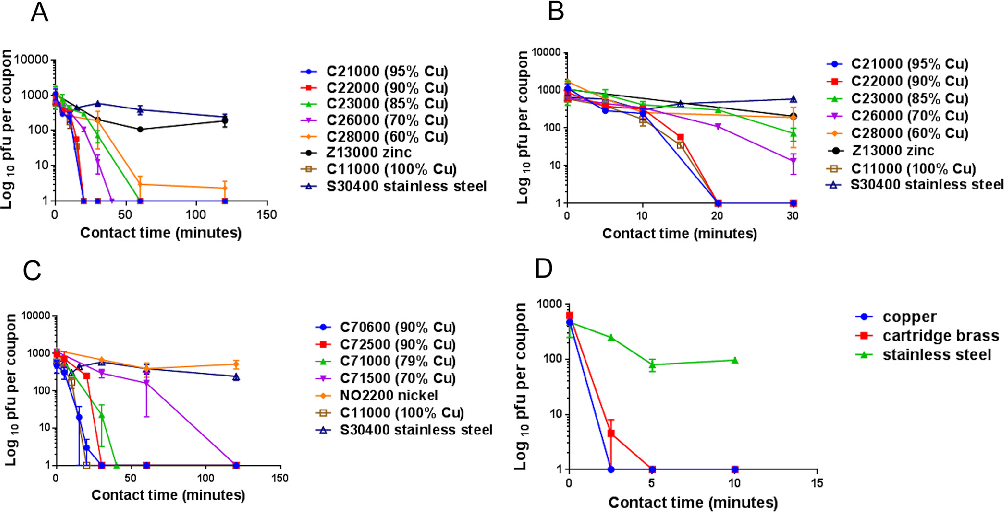
Figure 4
Comparison of coronavirus inactivation rates across polymer-based surfaces including PVC, silicone rubber, and Teflon shows material-dependent variation in viral survival.
chart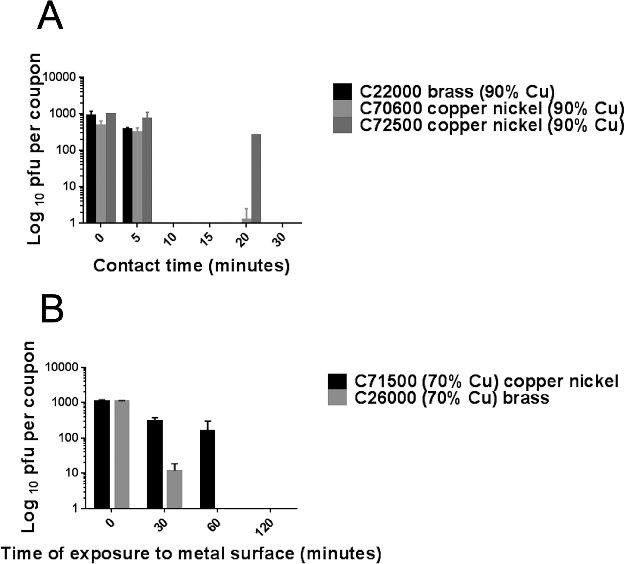
Figure 5
Temperature and humidity effects on coronavirus 229E survival on surfaces are displayed, with higher temperatures generally associated with faster viral inactivation.
chart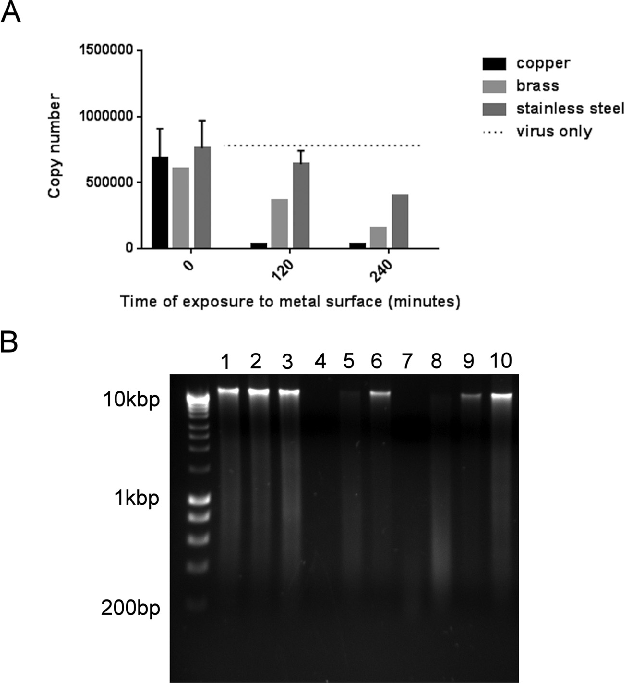
Figure 7
Recovery efficiency controls for the surface sampling methodology are shown, validating the quantitative viral titer measurements across different material types.
chart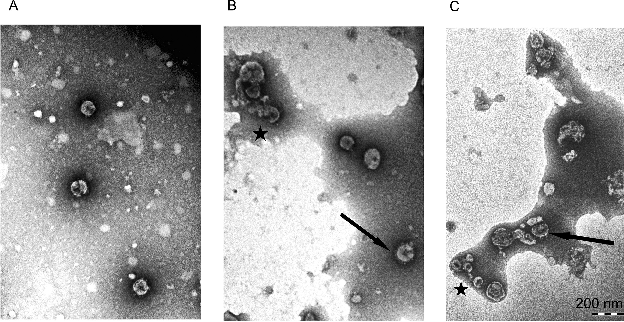
Figure 8
Summary comparison of coronavirus 229E persistence across all tested surface materials, ranked by duration of detectable infectivity.
chartFigure 6
PhotographSource Paper
Human Coronavirus 229E Remains Infectious on Common Touch Surface Materials.Cite This Figure
 > Source: Sarah L Warnes et al. "Human Coronavirus 229E Remains Infectious on Common Touch Surface Materials.." *mBio*, 2015. PMID: [26556276](https://pubmed.ncbi.nlm.nih.gov/26556276/)
<figure>
  <img src="https://pdfs.citedhealth.com/figures/26556276/142.png" alt="Scanning electron microscopy or surface characterization images of the tested materials are presented alongside their corresponding viral persistence data." />
  <figcaption>Figure 6. Scanning electron microscopy or surface characterization images of the tested materials are presented alongside their corresponding viral persistence data.<br>  Source: Sarah L Warnes et al. "Human Coronavirus 229E Remains Infectious on Common Touch Surface Materials.." <em>mBio</em>, 2015. PMID: <a href="https://pubmed.ncbi.nlm.nih.gov/26556276/">26556276</a></figcaption>
</figure>