Andrographis Figures
49 figures from peer-reviewed research
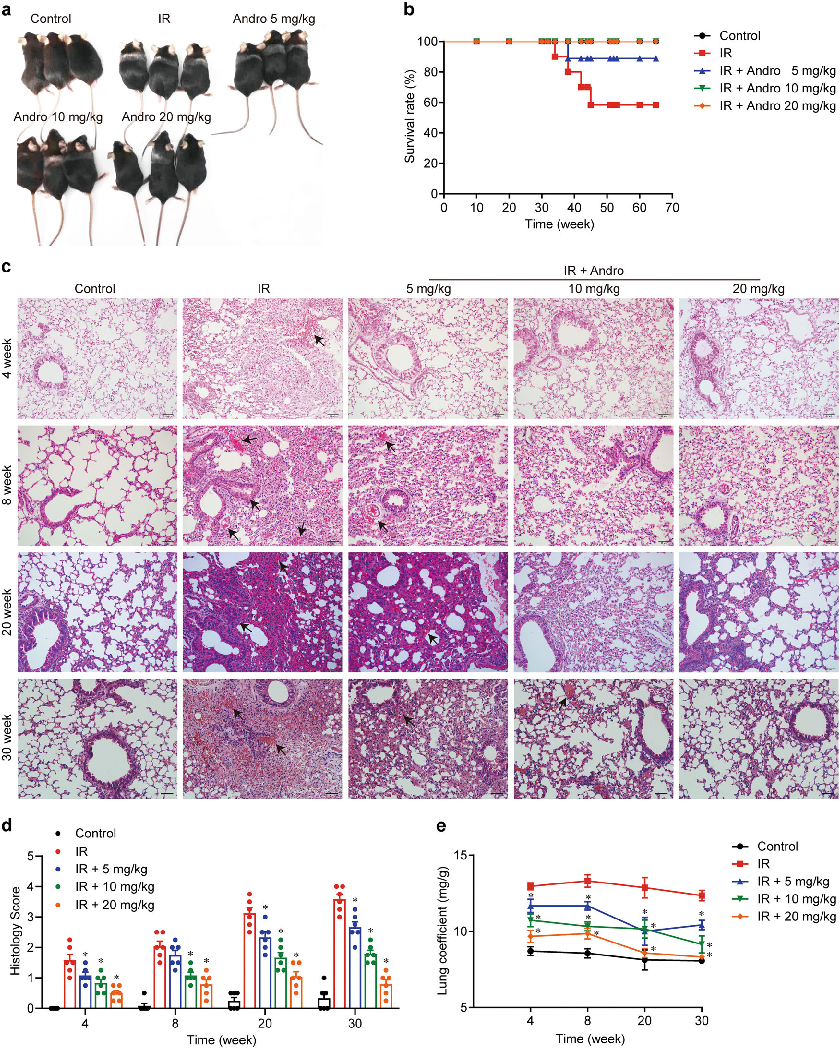
Mice exposed to 18 Gy irradiation and treated with varying doses of andrographolide for 4 weeks showed dose-dependent protection from radiation-induced lung injury. Representative images and quantitative data indicate that andrographolide significantly attenuated lung tissue damage.
Inhibition of AIM2 inflammasome-mediated pyroptosis by Andrographolide contributes to amelioration of radiation-induced …
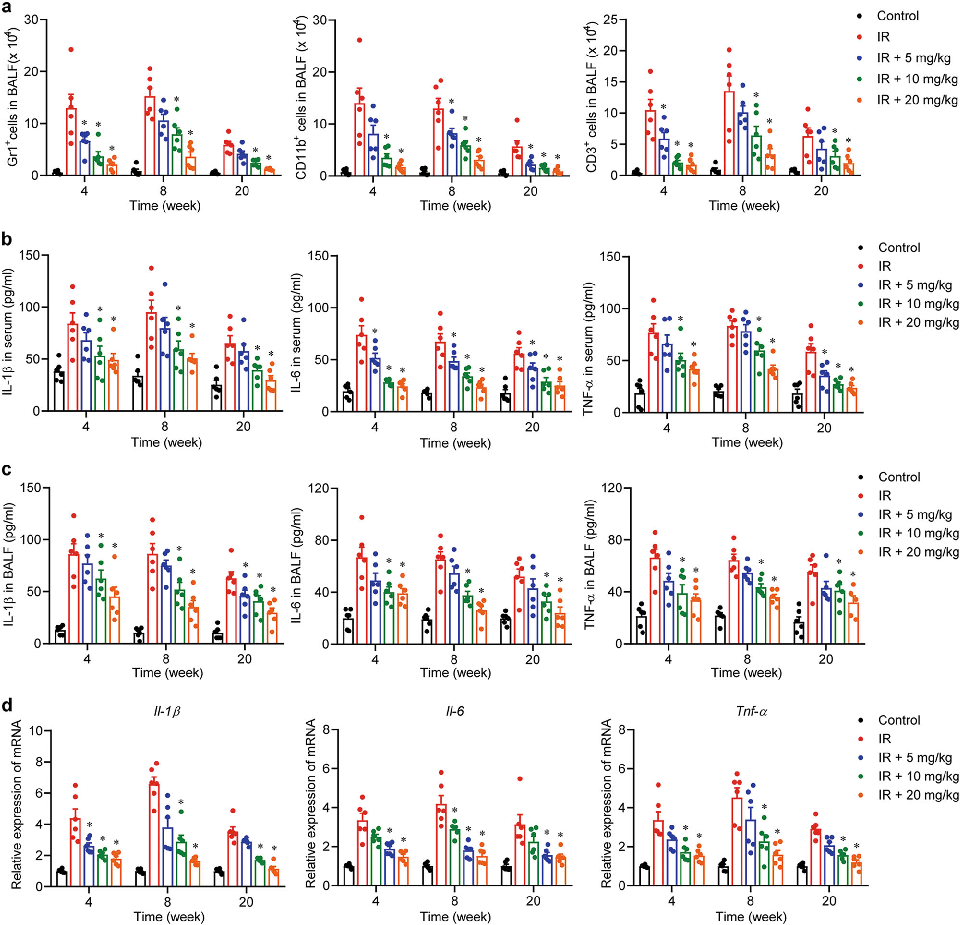
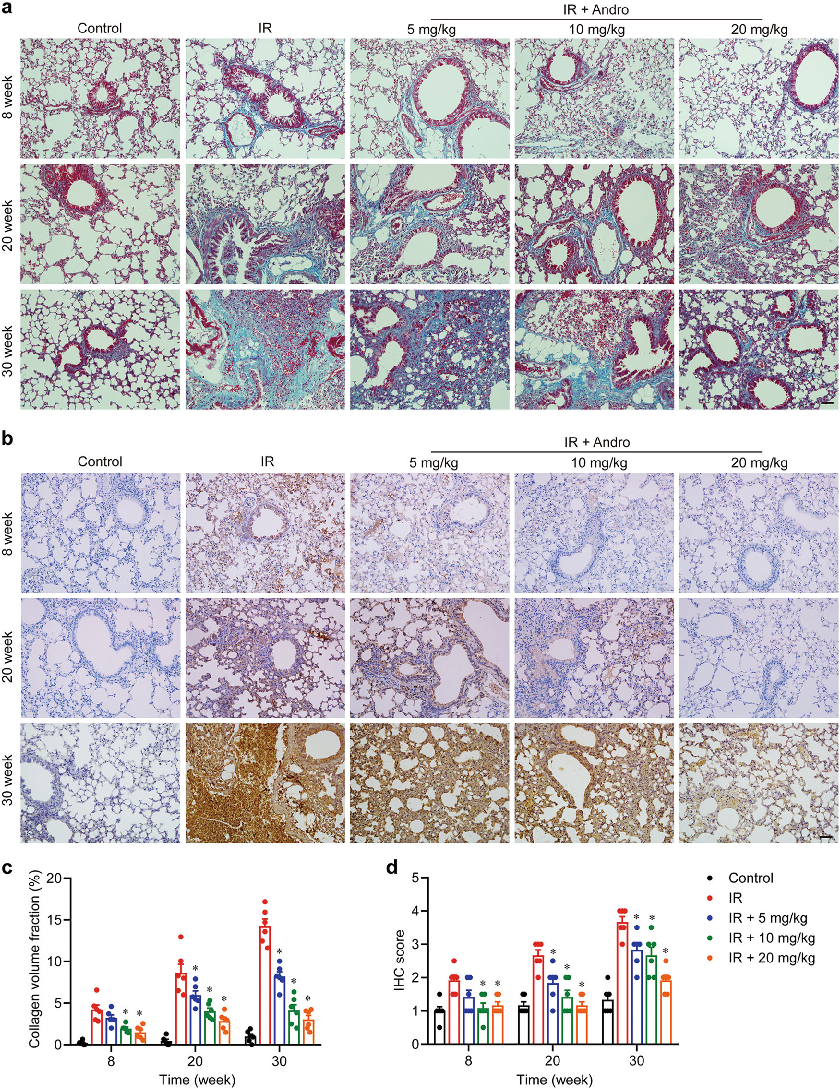
Histological analysis of lung tissue from irradiated mice reveals the extent of inflammatory cell infiltration and fibrosis. Andrographolide treatment appears to reduce these pathological changes in a dose-dependent manner.
Inhibition of AIM2 inflammasome-mediated pyroptosis by Andrographolide contributes to amelioration of radiation-induced …
Inflammatory cytokine levels in lung tissue were measured following radiation exposure and andrographolide treatment. The data suggest that andrographolide suppresses pro-inflammatory mediator release in irradiated lung tissue.
Inhibition of AIM2 inflammasome-mediated pyroptosis by Andrographolide contributes to amelioration of radiation-induced …
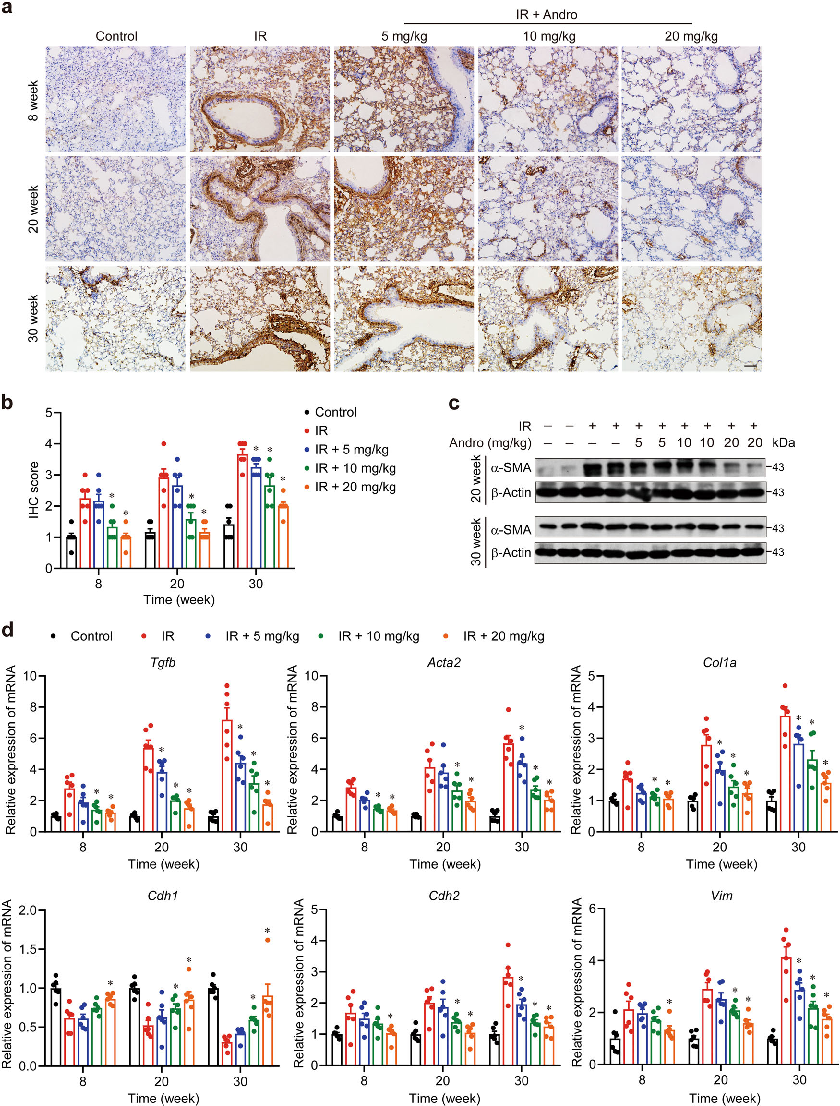
AIM2 inflammasome activation and caspase-1-mediated pyroptosis play key roles in radiation-induced lung inflammation. This figure presents protein expression data showing andrographolide's inhibitory effects on the AIM2 inflammasome pathway.
Inhibition of AIM2 inflammasome-mediated pyroptosis by Andrographolide contributes to amelioration of radiation-induced …
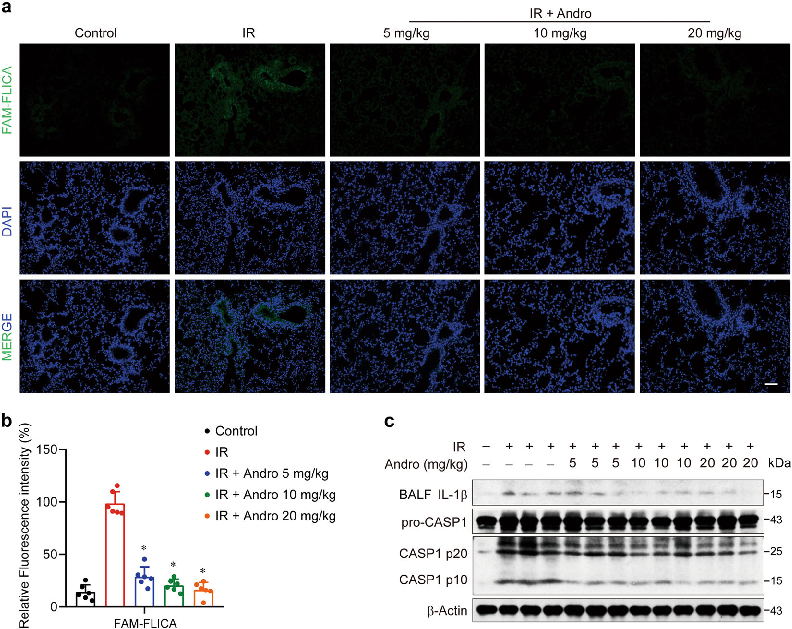
Gasdermin D cleavage is a downstream event in pyroptotic cell death triggered by radiation. Western blot analysis demonstrates that andrographolide reduces Gasdermin D processing in macrophages exposed to radiation.
Inhibition of AIM2 inflammasome-mediated pyroptosis by Andrographolide contributes to amelioration of radiation-induced …
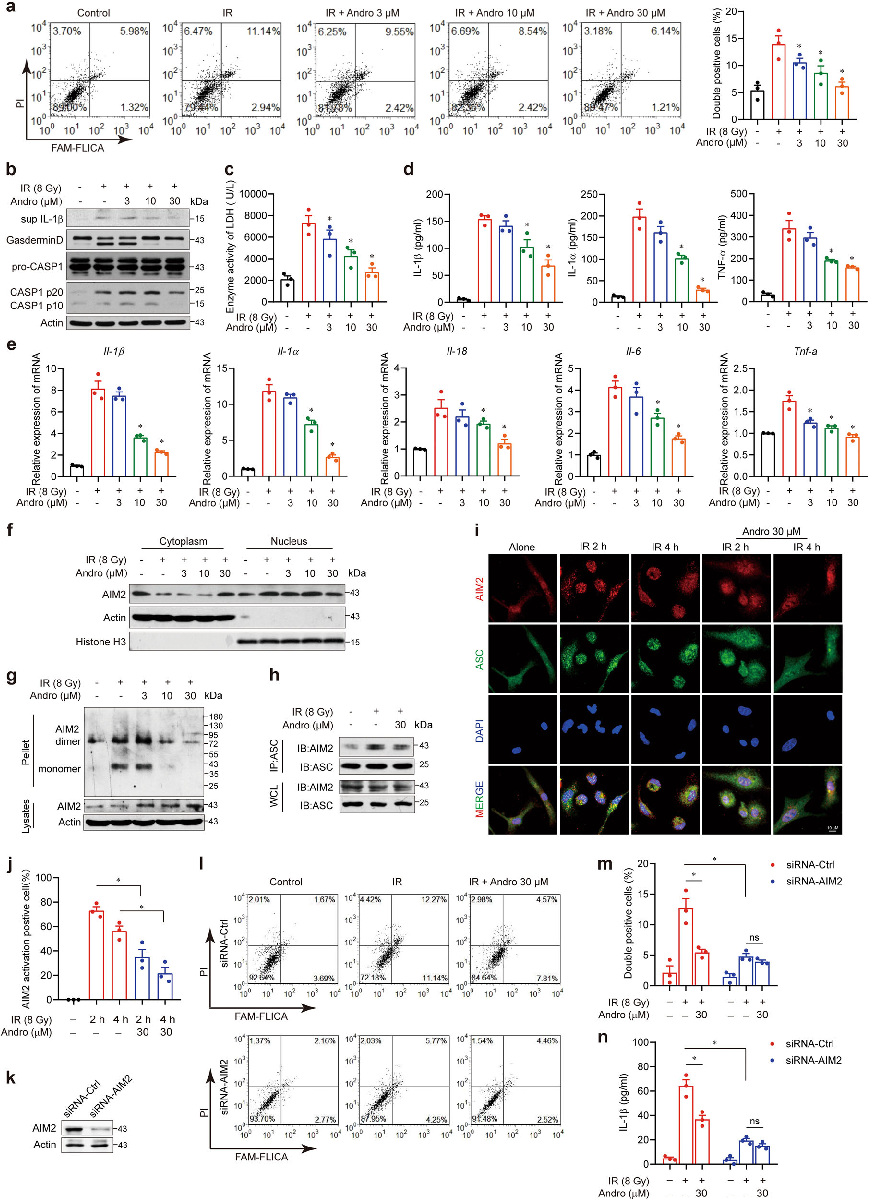
Immunofluorescence or protein analysis reveals that andrographolide prevents AIM2 from binding cytoplasmic DNA and forming active inflammasome complexes. These findings indicate a specific molecular target for andrographolide's protective mechanism.
Inhibition of AIM2 inflammasome-mediated pyroptosis by Andrographolide contributes to amelioration of radiation-induced …
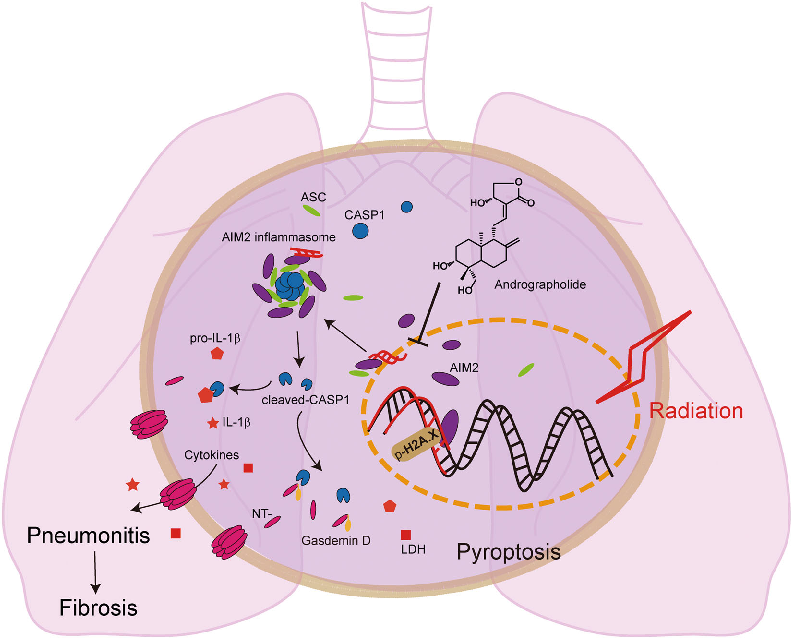
Andrographolide ameliorates radiation-induced lung injury by inhibiting Caspase-1-mediated Gasdermin D-dependent pyroptosis in macrophages. This schematic illustrates how the compound prevents AIM2 from translocating into the nucleus, thereby blocking inflammasome assembly and downstream inflammatory cascades.
Inhibition of AIM2 inflammasome-mediated pyroptosis by Andrographolide contributes to amelioration of radiation-induced …
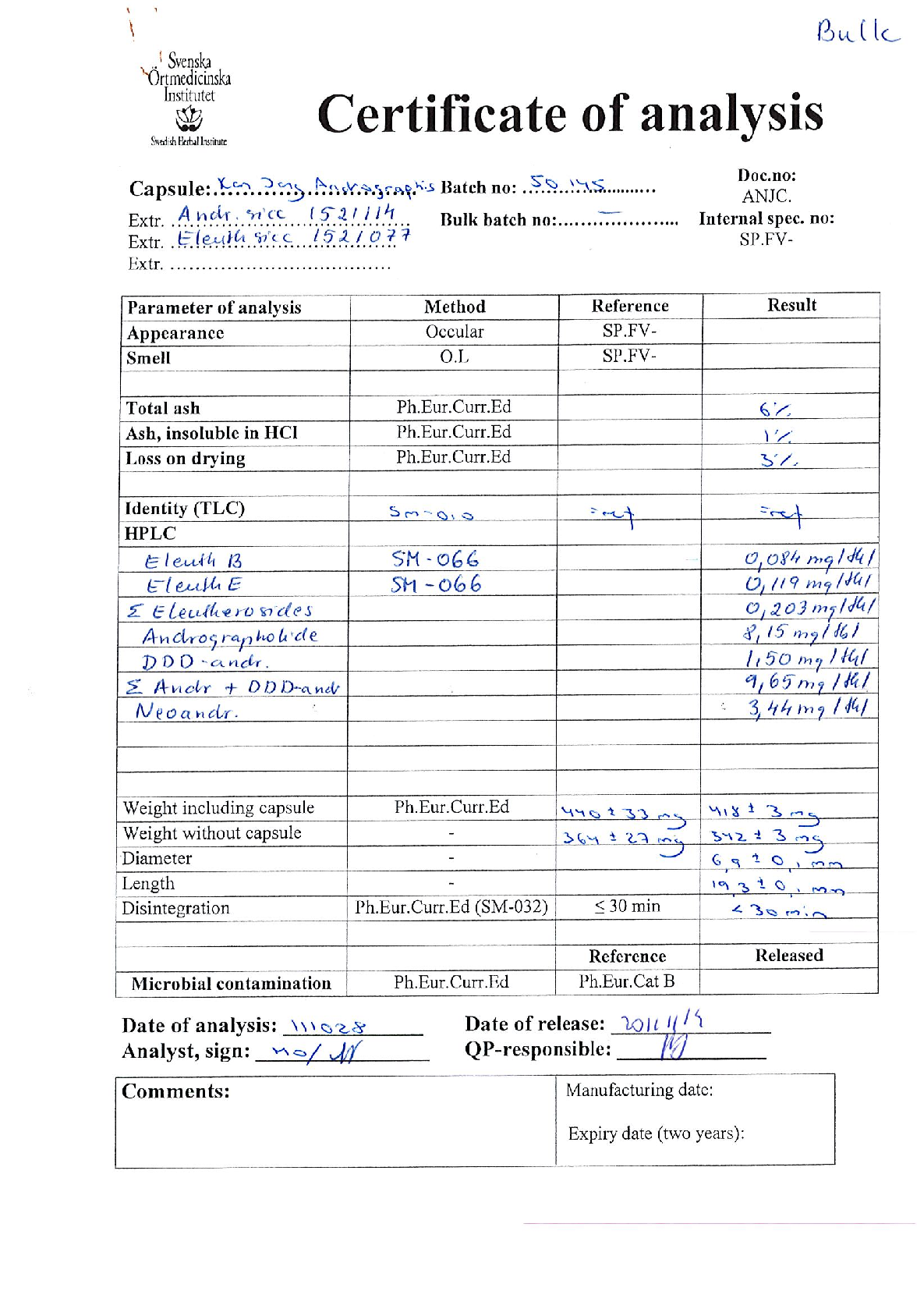
Experimental results examining early intervention with Kan Jang® to treat upper, with data points illustrating key findings related to BACKGROUND AND AIM: Andrographis paniculata and Eleutherococcus senticosus preparations and their fixed combination, .
Early intervention with Kan Jang® to treat upper-respiratory tract infections: A randomized, …
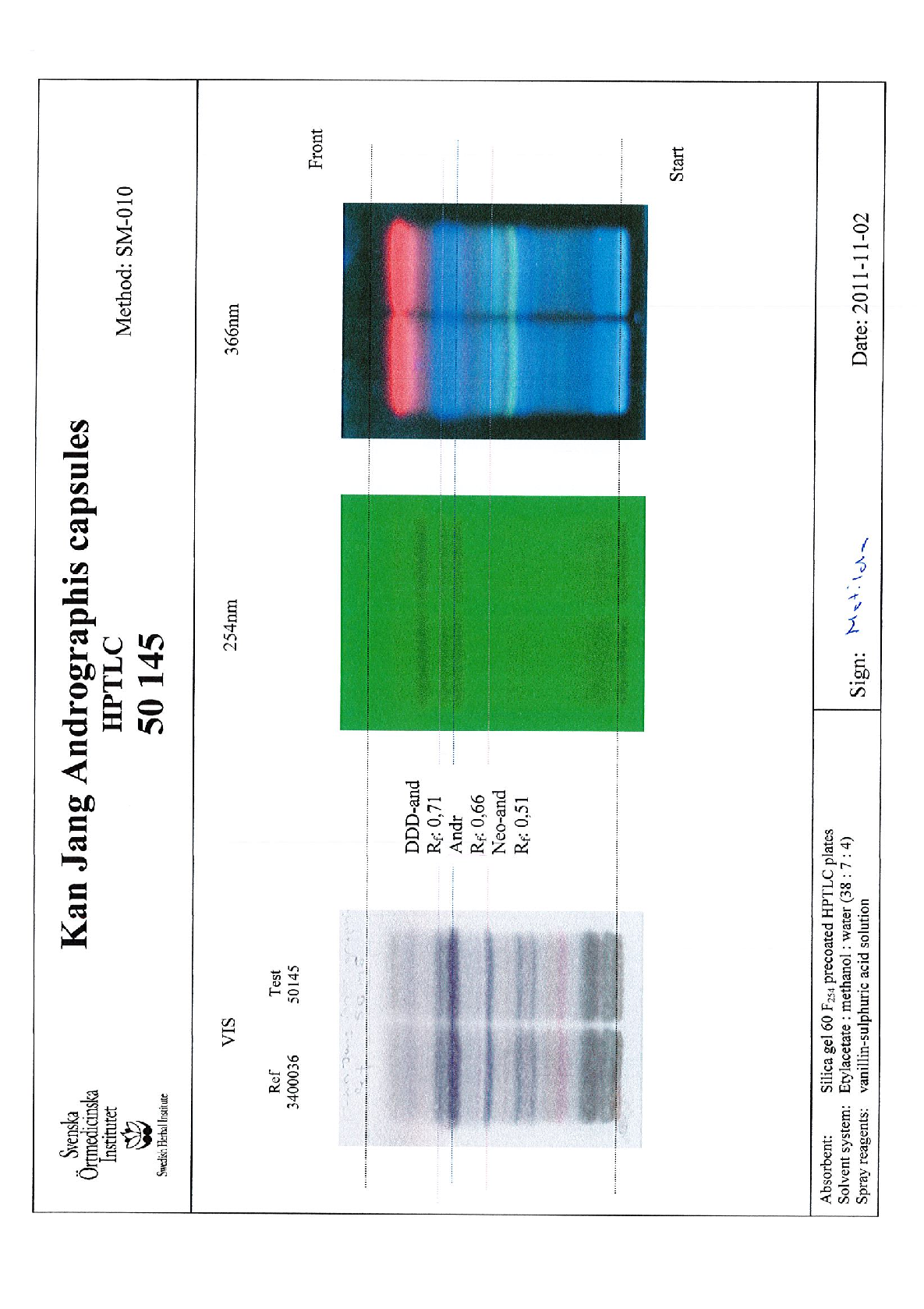
Statistical analysis from research investigating early intervention with Kan Jang® to treat upper, comparing treatment groups and control conditions.
Early intervention with Kan Jang® to treat upper-respiratory tract infections: A randomized, …
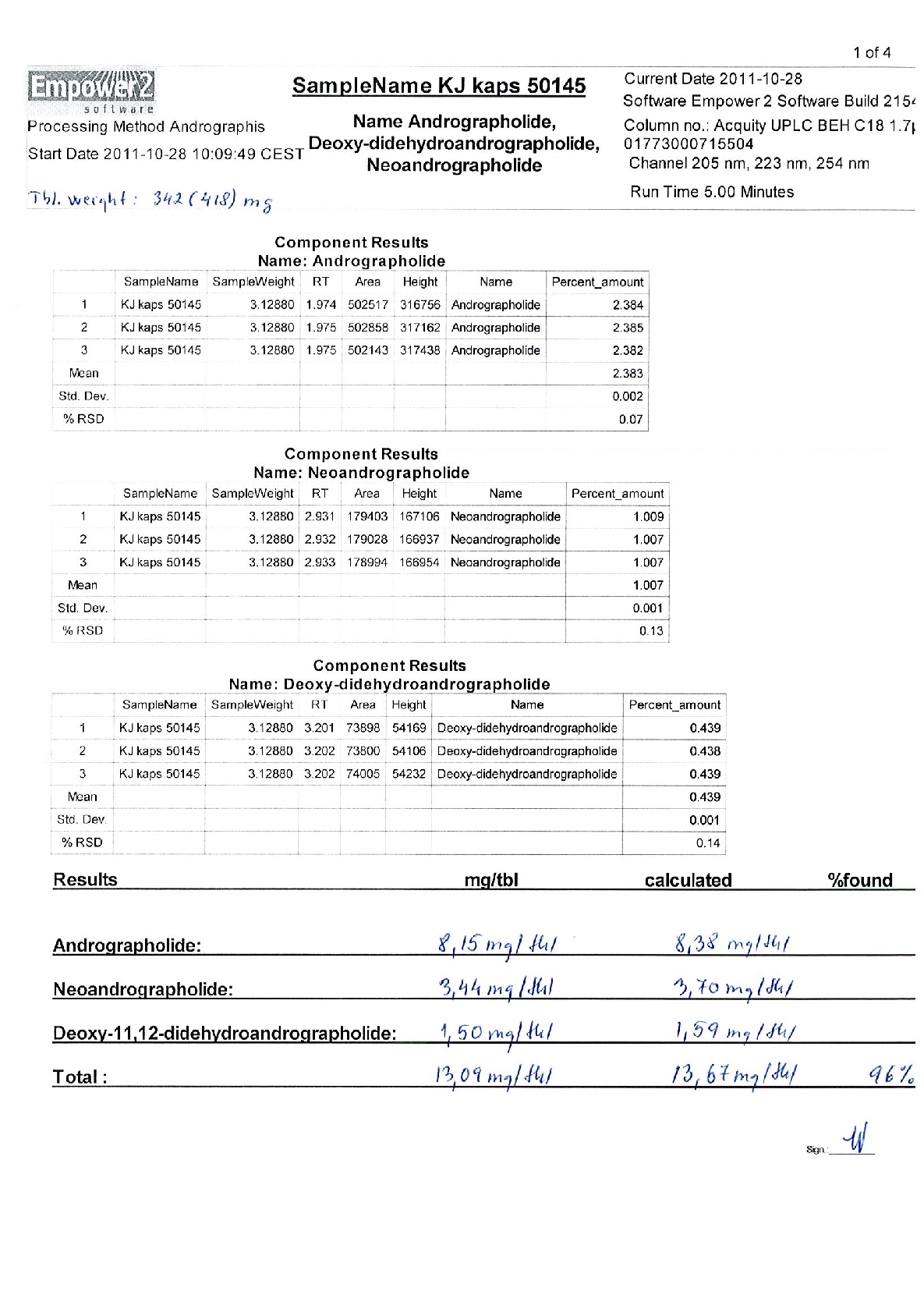
Measured parameters from a study evaluating early intervention with Kan Jang® to treat upper, contributing to the overall assessment of BACKGROUND AND AIM: Andrographis paniculata and Eleutherococcus senticosus preparations and their fixed combination, .
Early intervention with Kan Jang® to treat upper-respiratory tract infections: A randomized, …
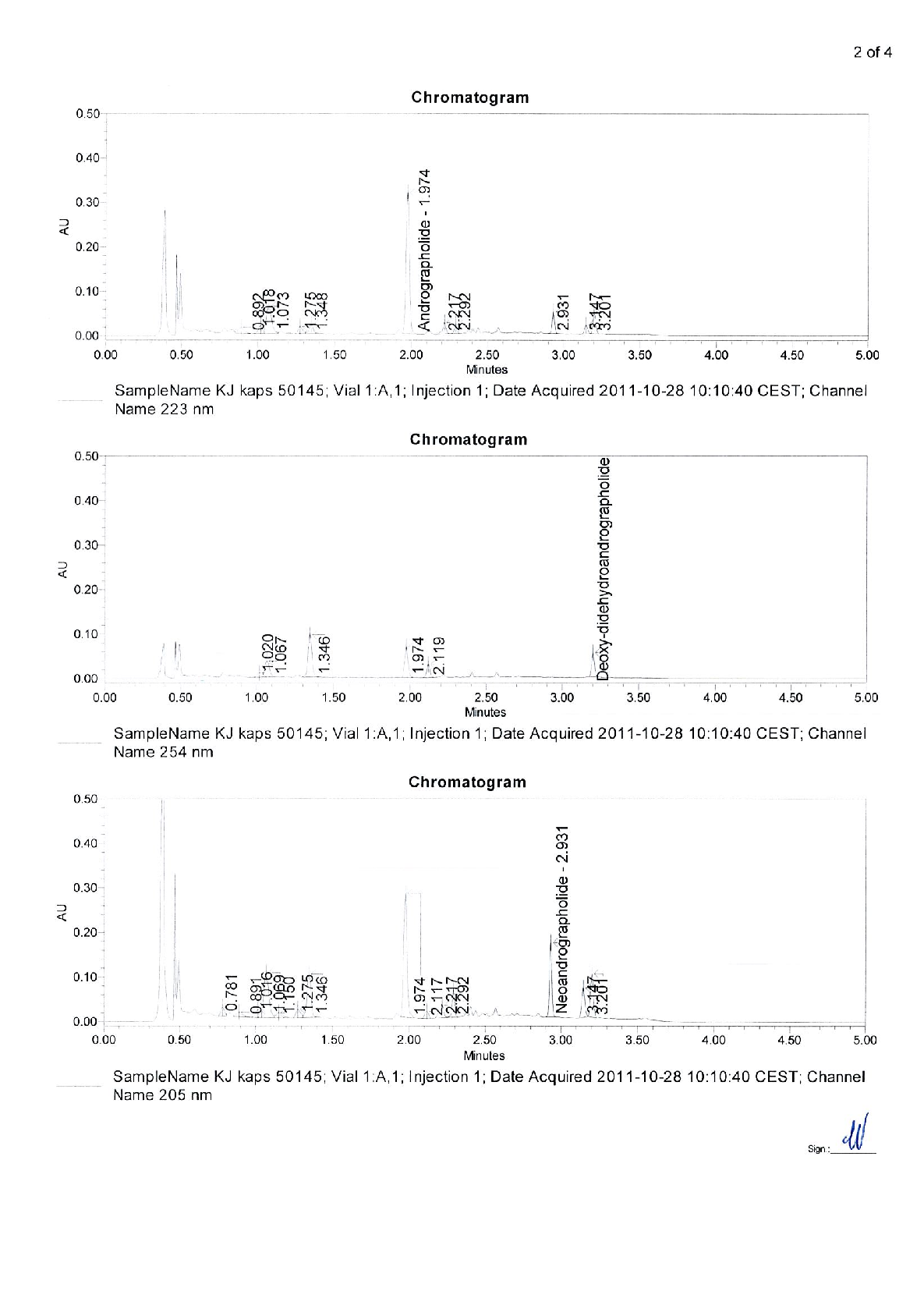
Graphical representation of outcomes in a study of early intervention with Kan Jang® to treat upper, highlighting trends observed across experimental conditions.
Early intervention with Kan Jang® to treat upper-respiratory tract infections: A randomized, …
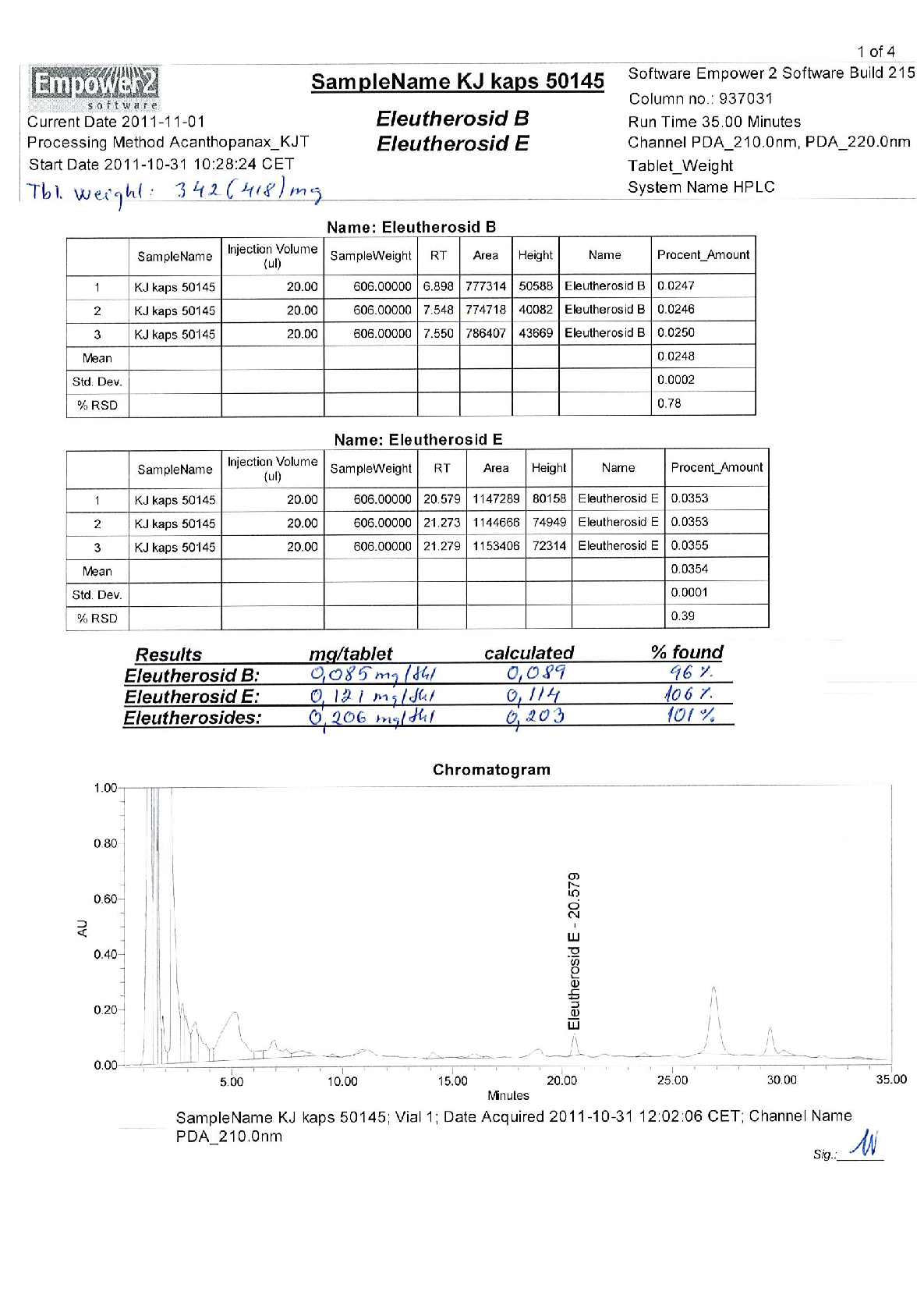
Quantitative data from a study on early intervention with Kan Jang® to treat upper, presenting measured outcomes relevant to the investigation of BACKGROUND AND AIM: Andrographis paniculata and Eleutherococcus senticosus preparations and their fixed combination, .
Early intervention with Kan Jang® to treat upper-respiratory tract infections: A randomized, …
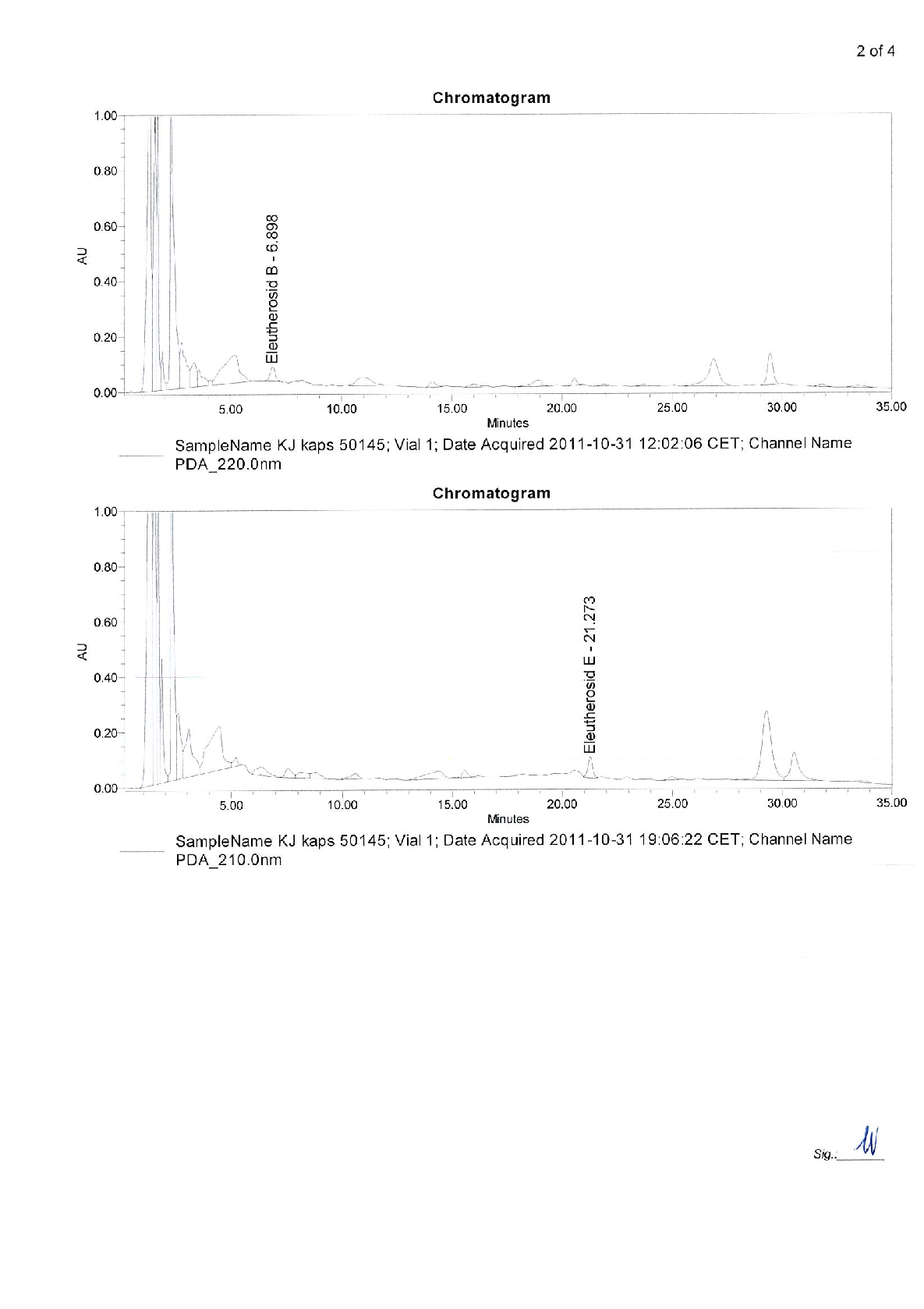
Experimental results examining early intervention with Kan Jang® to treat upper, with data points illustrating key findings related to BACKGROUND AND AIM: Andrographis paniculata and Eleutherococcus senticosus preparations and their fixed combination, .
Early intervention with Kan Jang® to treat upper-respiratory tract infections: A randomized, …
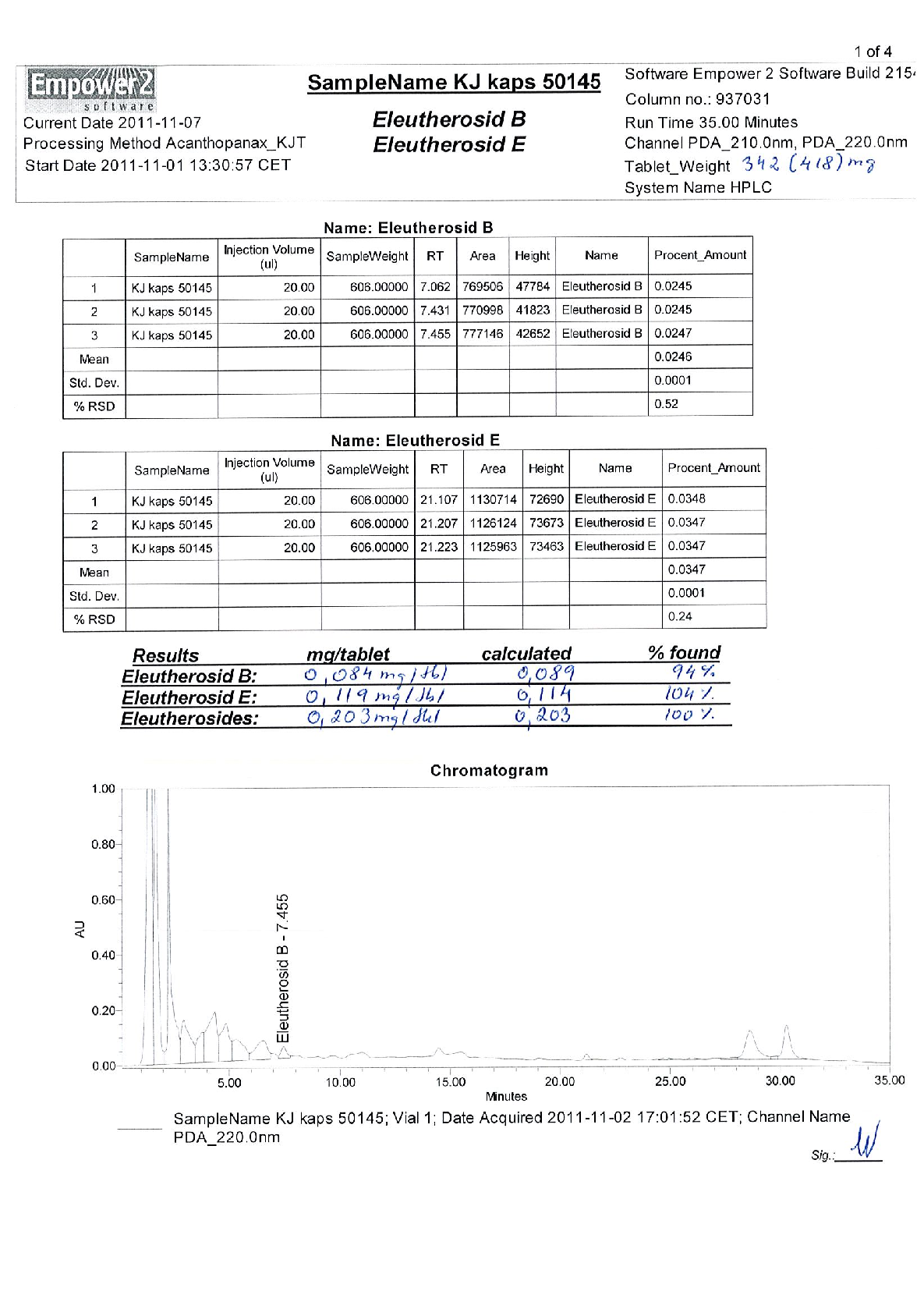
Statistical analysis from research investigating early intervention with Kan Jang® to treat upper, comparing treatment groups and control conditions.
Early intervention with Kan Jang® to treat upper-respiratory tract infections: A randomized, …
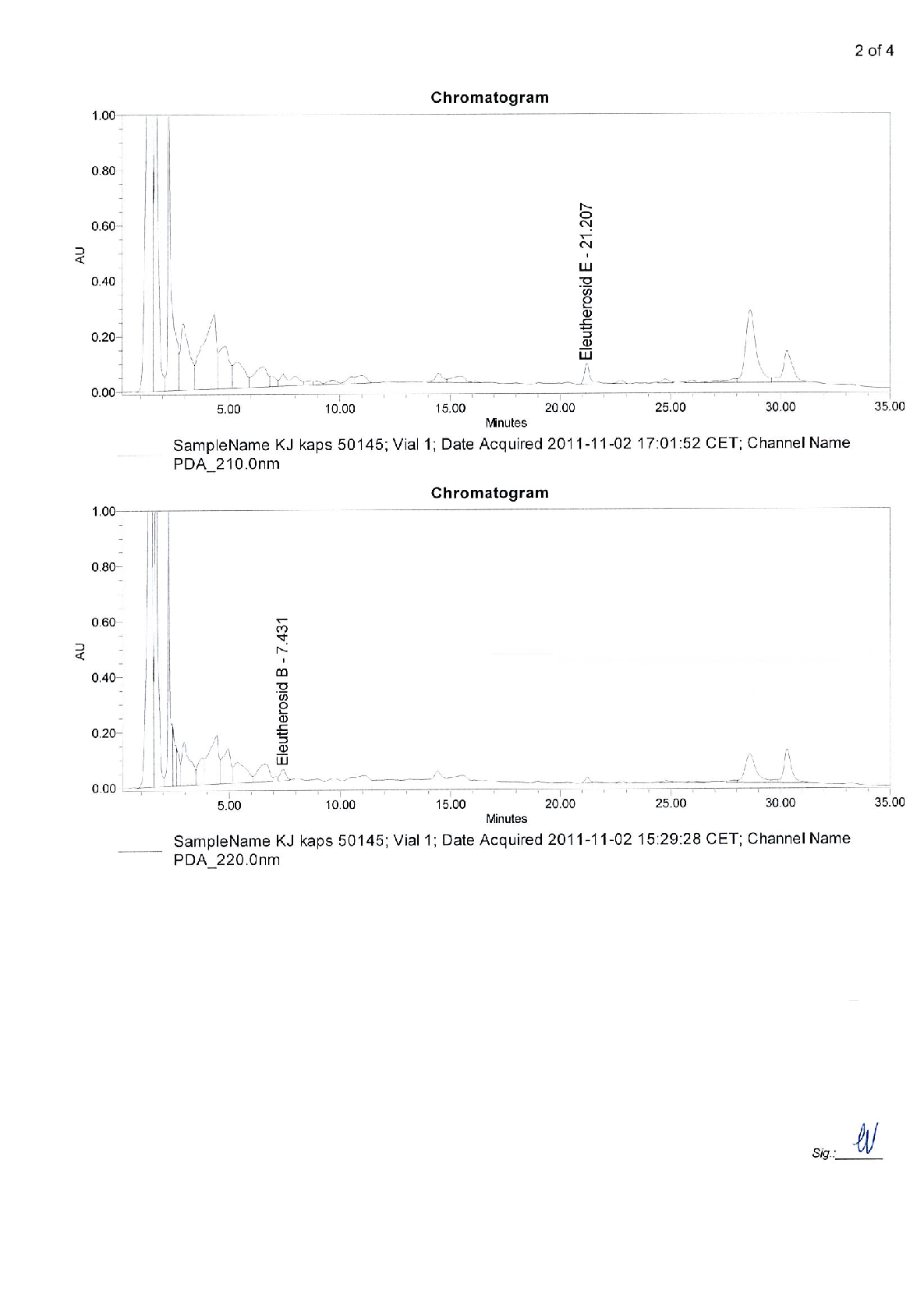
Measured parameters from a study evaluating early intervention with Kan Jang® to treat upper, contributing to the overall assessment of BACKGROUND AND AIM: Andrographis paniculata and Eleutherococcus senticosus preparations and their fixed combination, .
Early intervention with Kan Jang® to treat upper-respiratory tract infections: A randomized, …
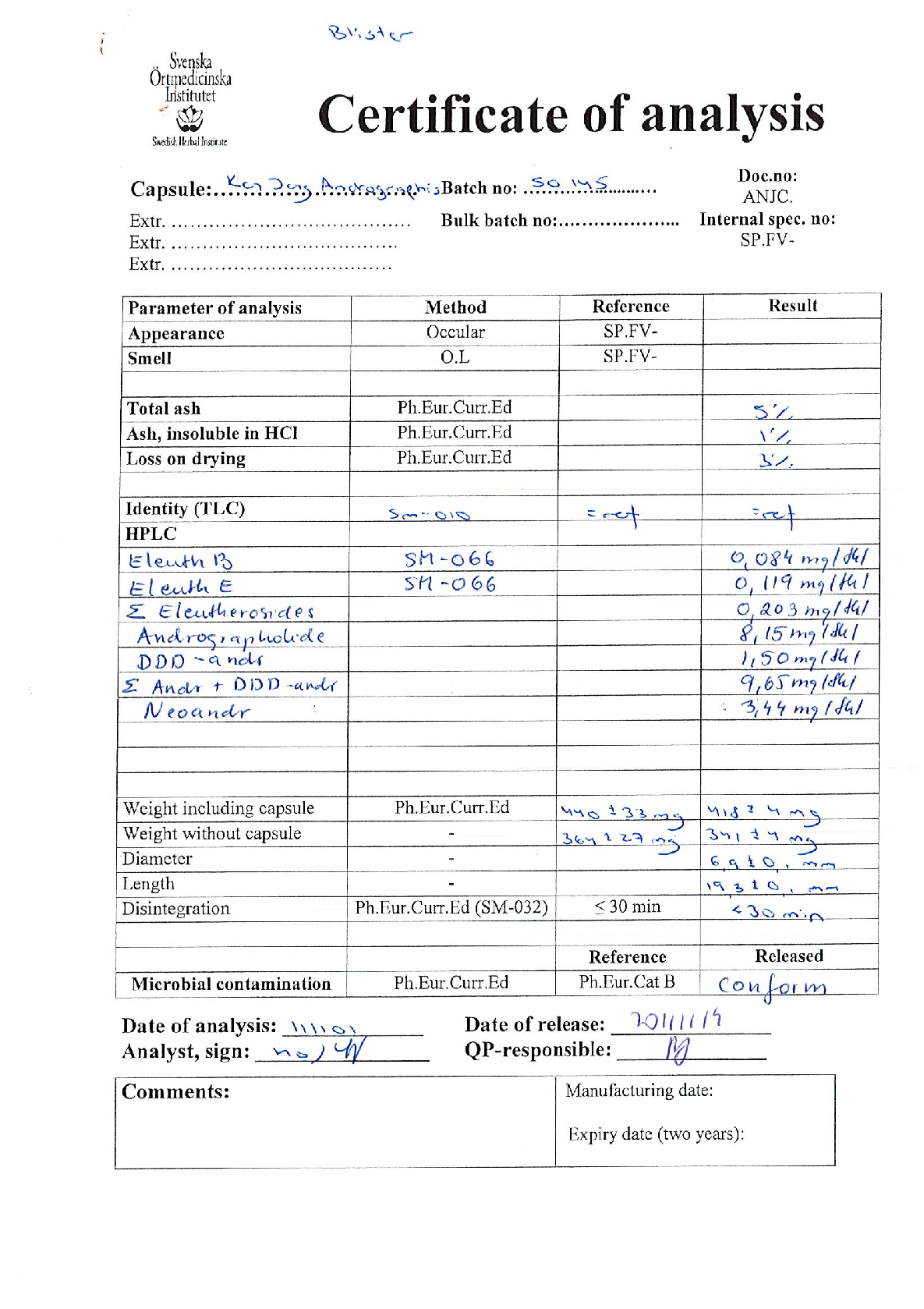
Graphical representation of outcomes in a study of early intervention with Kan Jang® to treat upper, highlighting trends observed across experimental conditions.
Early intervention with Kan Jang® to treat upper-respiratory tract infections: A randomized, …
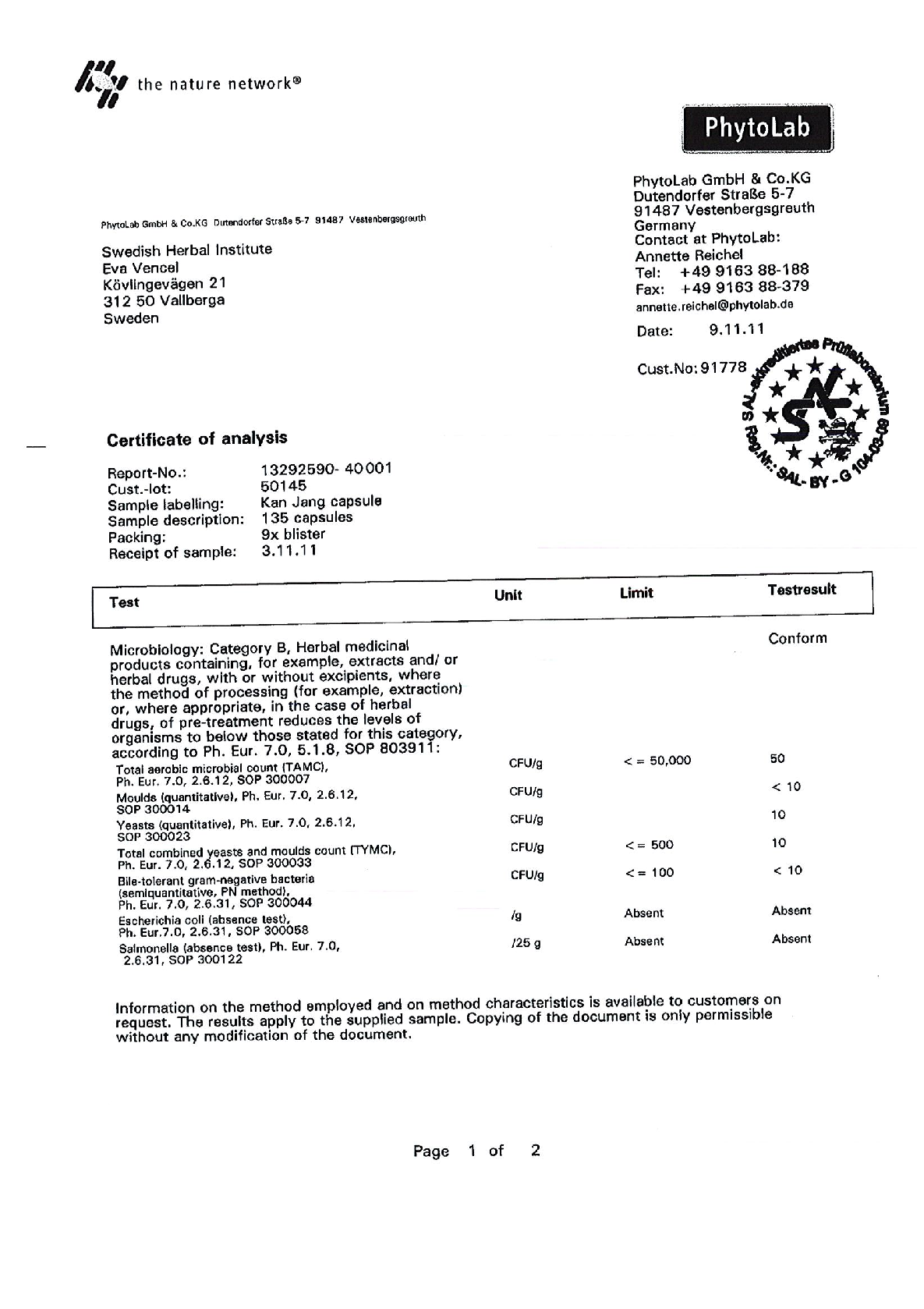
Quantitative data from a study on early intervention with Kan Jang® to treat upper, presenting measured outcomes relevant to the investigation of BACKGROUND AND AIM: Andrographis paniculata and Eleutherococcus senticosus preparations and their fixed combination, .
Early intervention with Kan Jang® to treat upper-respiratory tract infections: A randomized, …
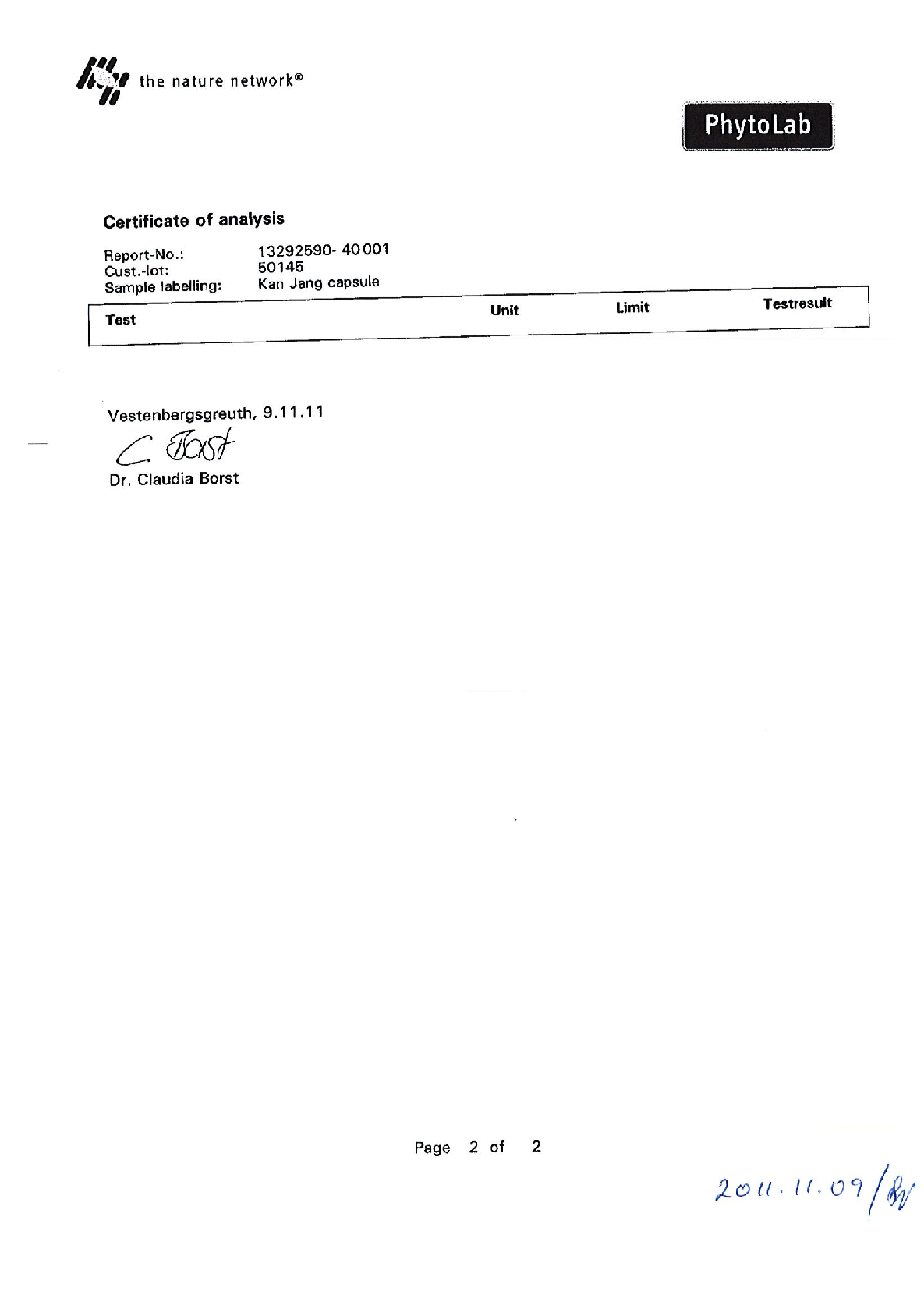
Experimental results examining early intervention with Kan Jang® to treat upper, with data points illustrating key findings related to BACKGROUND AND AIM: Andrographis paniculata and Eleutherococcus senticosus preparations and their fixed combination, .
Early intervention with Kan Jang® to treat upper-respiratory tract infections: A randomized, …
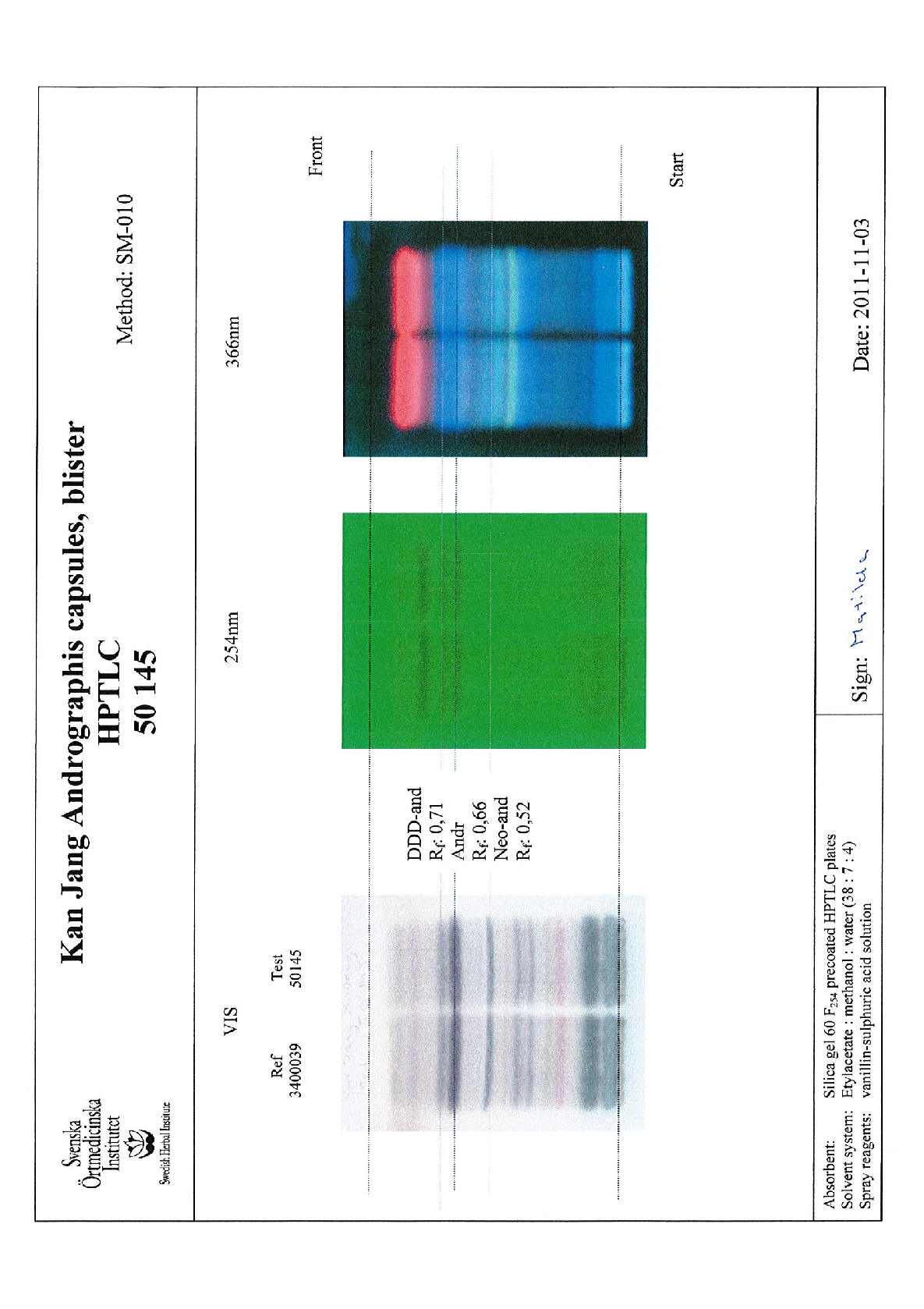
Statistical analysis from research investigating early intervention with Kan Jang® to treat upper, comparing treatment groups and control conditions.
Early intervention with Kan Jang® to treat upper-respiratory tract infections: A randomized, …
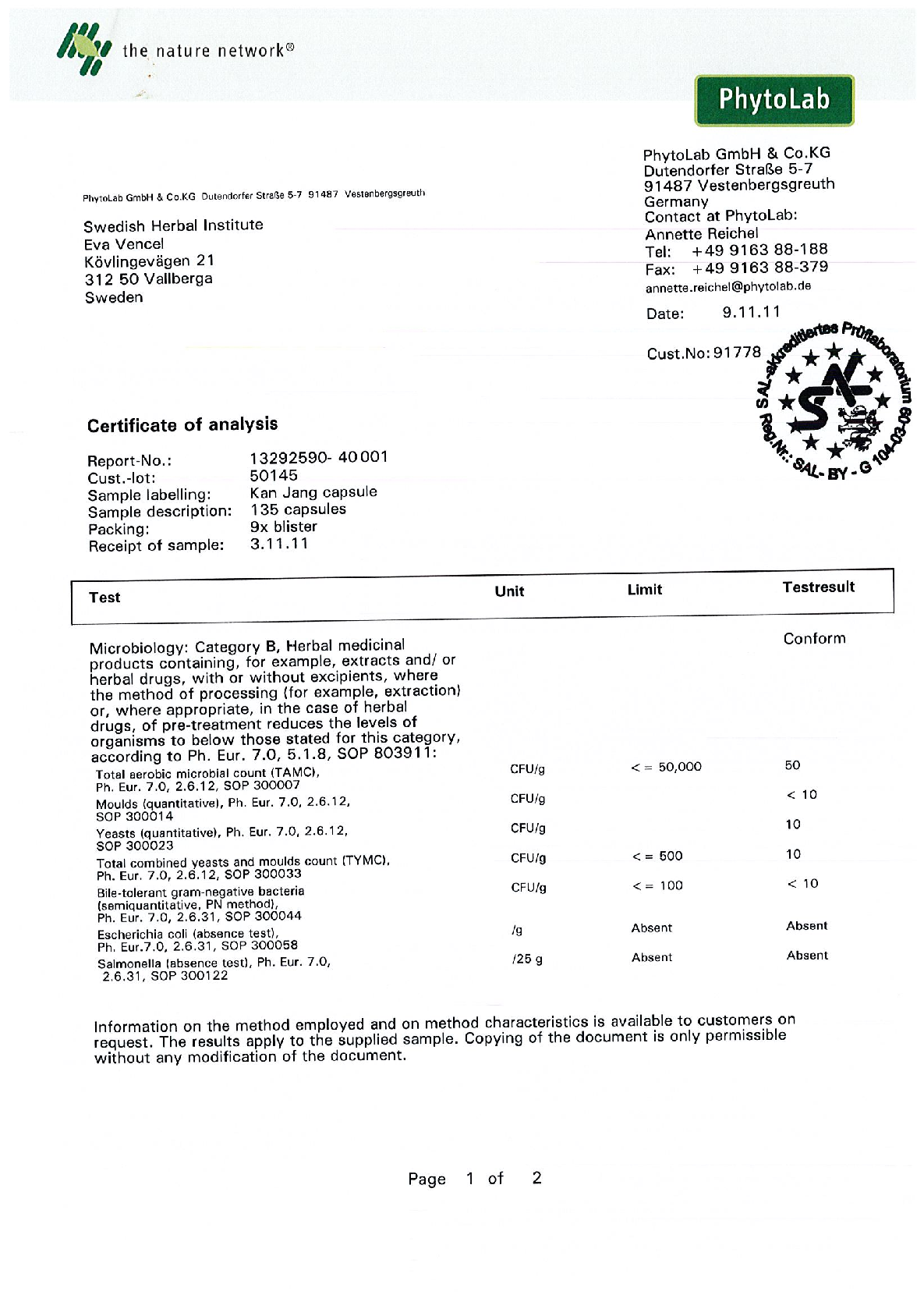
Measured parameters from a study evaluating early intervention with Kan Jang® to treat upper, contributing to the overall assessment of BACKGROUND AND AIM: Andrographis paniculata and Eleutherococcus senticosus preparations and their fixed combination, .
Early intervention with Kan Jang® to treat upper-respiratory tract infections: A randomized, …
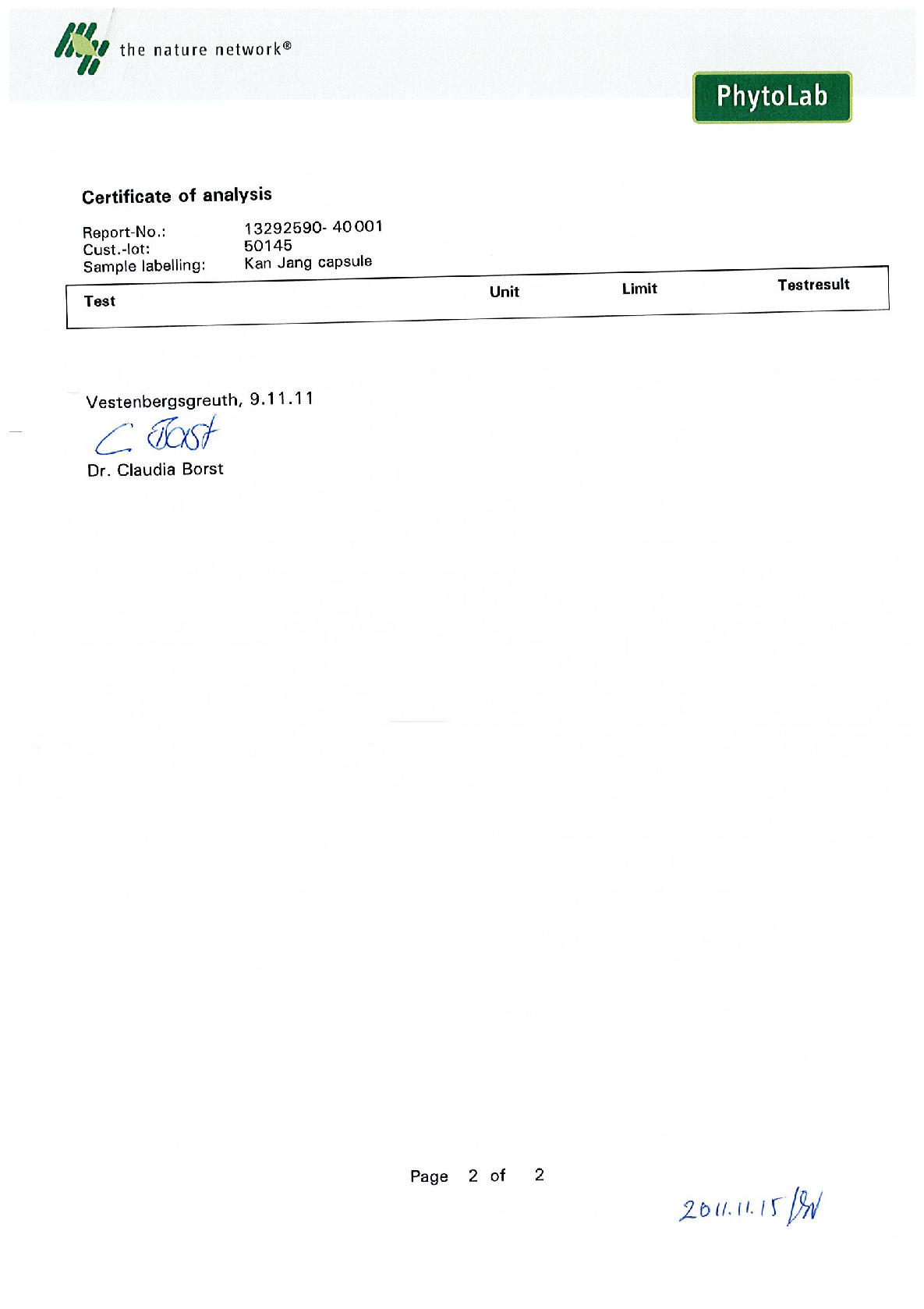
Graphical representation of outcomes in a study of early intervention with Kan Jang® to treat upper, highlighting trends observed across experimental conditions.
Early intervention with Kan Jang® to treat upper-respiratory tract infections: A randomized, …
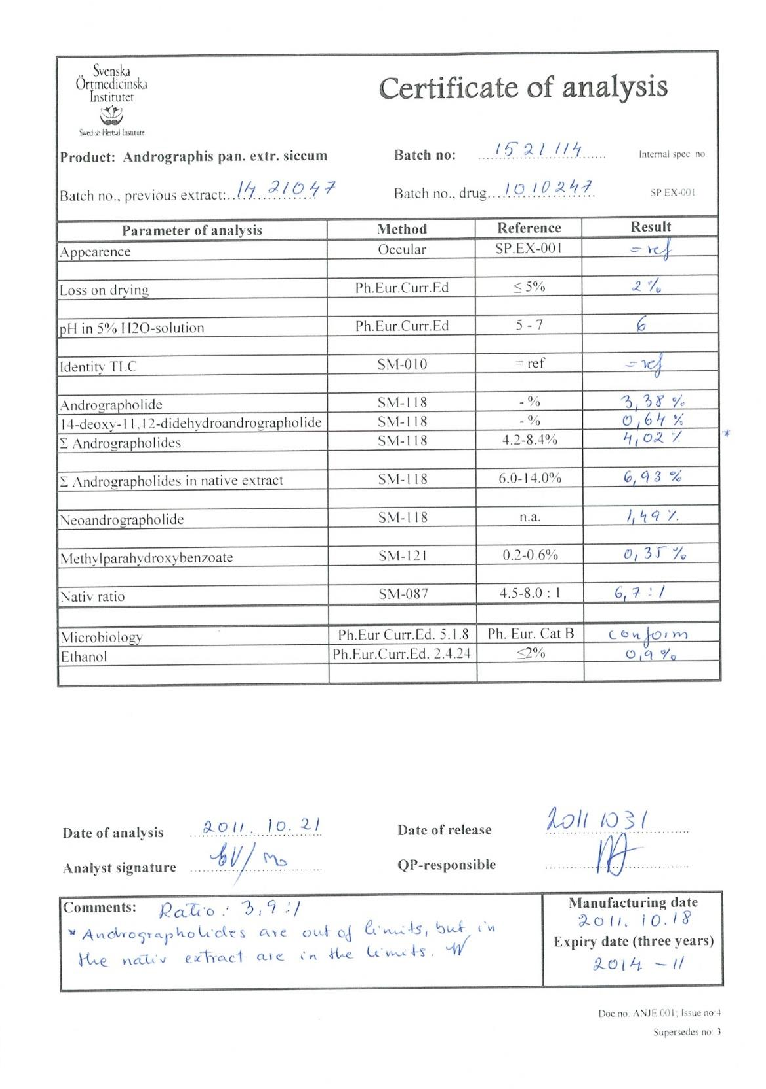
Quantitative data from a study on early intervention with Kan Jang® to treat upper, presenting measured outcomes relevant to the investigation of BACKGROUND AND AIM: Andrographis paniculata and Eleutherococcus senticosus preparations and their fixed combination, .
Early intervention with Kan Jang® to treat upper-respiratory tract infections: A randomized, …
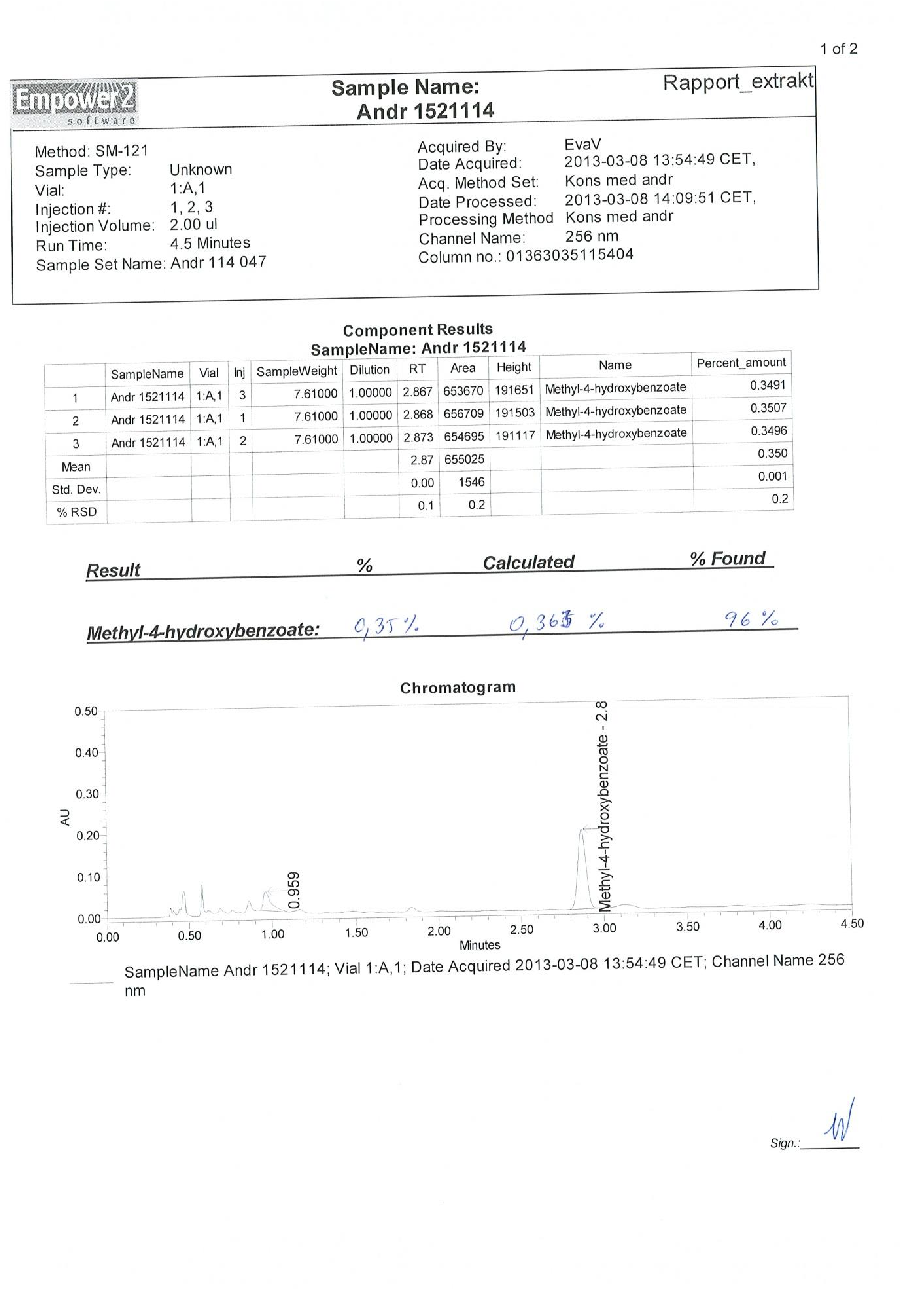
Experimental results examining early intervention with Kan Jang® to treat upper, with data points illustrating key findings related to BACKGROUND AND AIM: Andrographis paniculata and Eleutherococcus senticosus preparations and their fixed combination, .
Early intervention with Kan Jang® to treat upper-respiratory tract infections: A randomized, …
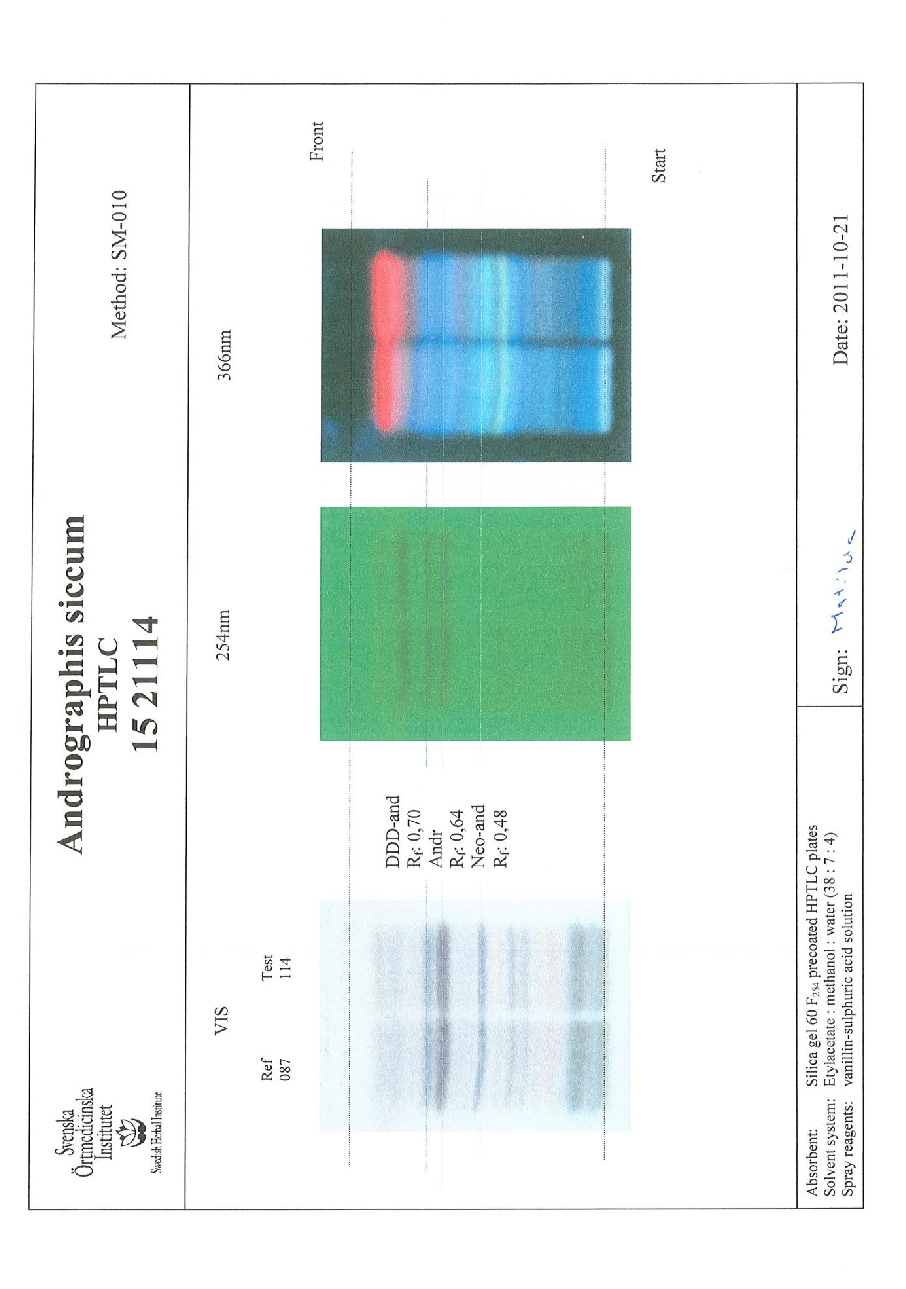
Statistical analysis from research investigating early intervention with Kan Jang® to treat upper, comparing treatment groups and control conditions.
Early intervention with Kan Jang® to treat upper-respiratory tract infections: A randomized, …
Page 1 of 3