Curcumin Gambar
37 gambar dari penelitian yang ditinjau oleh rekan sejawat
Illustrative overview of the mechanisms involved in curcumin Modulation of the Gut, depicting key molecular and cellular pathways.
Curcumin Modulation of the Gut-Brain Axis for Neuroinflammation and Metabolic Disorders Prevention …
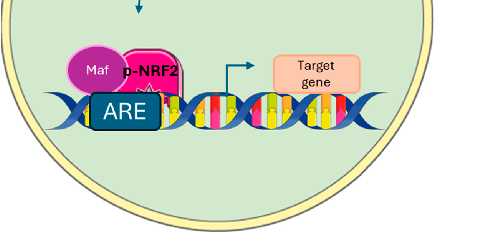
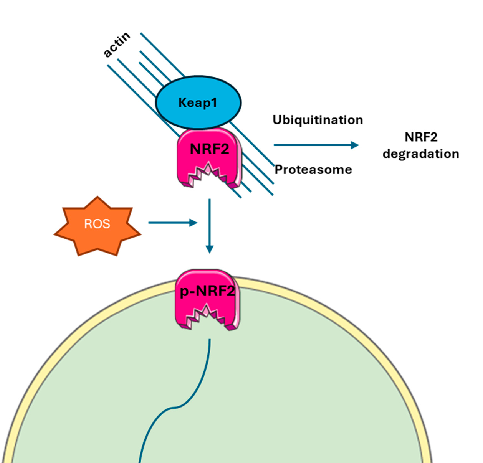
The Keap1-NRF2 pathway. Under normal conditions, Keap1 behaves as a negative regulator of NRF2, preventing its activation and thereby inhibiting its antioxidant response.
Curcumin Modulation of the Gut-Brain Axis for Neuroinflammation and Metabolic Disorders Prevention …
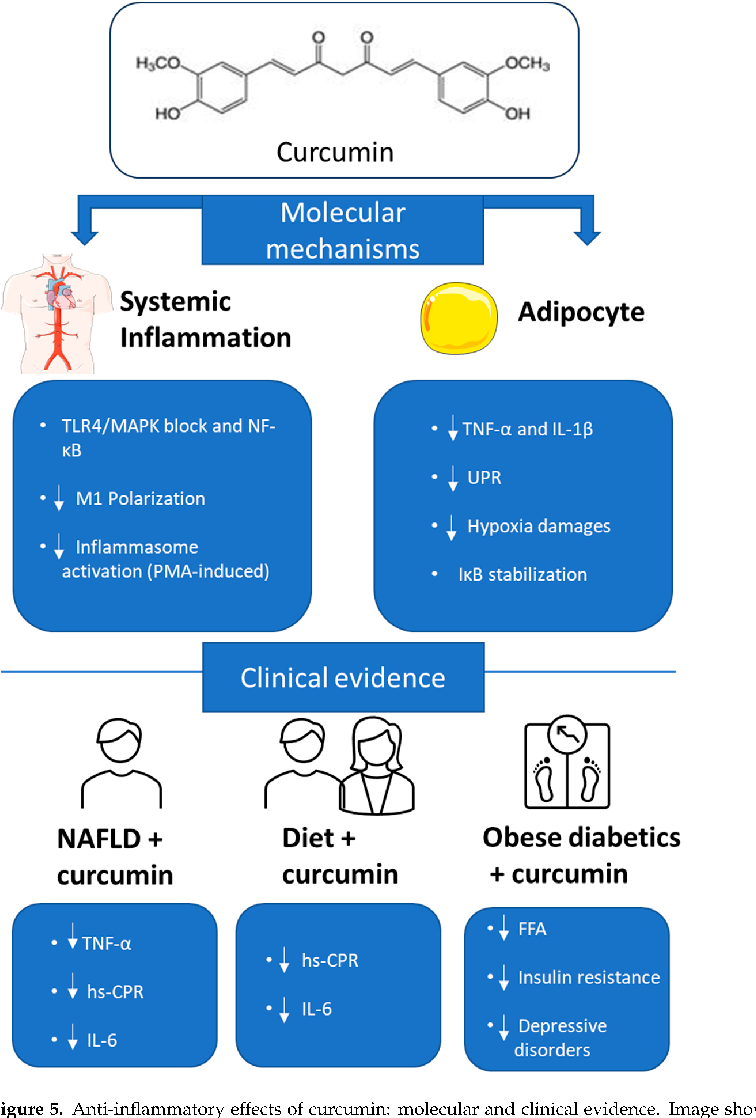
Anti-inflammatory effects of curcumin: molecular and clinical evidence. Image shows the main mechanisms by which curcumin exerts anti-inflammatory effects both systemically and in adipocytes.
Curcumin Modulation of the Gut-Brain Axis for Neuroinflammation and Metabolic Disorders Prevention …
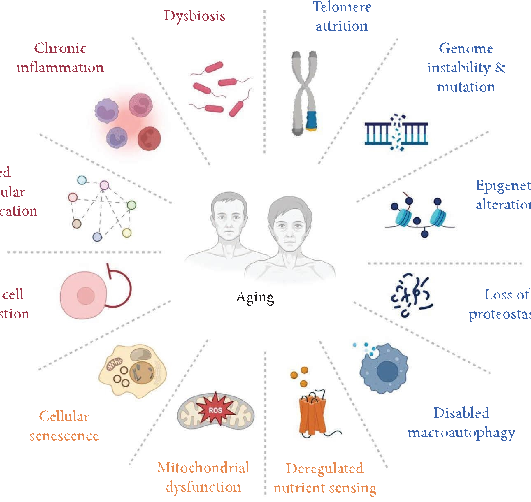
Conceptual diagram summarizing the relationship between modulating Ferroptosis in Aging: The Therapeutic Potential of Natural Products and the biological processes described in this research.
Modulating Ferroptosis in Aging: The Therapeutic Potential of Natural Products.
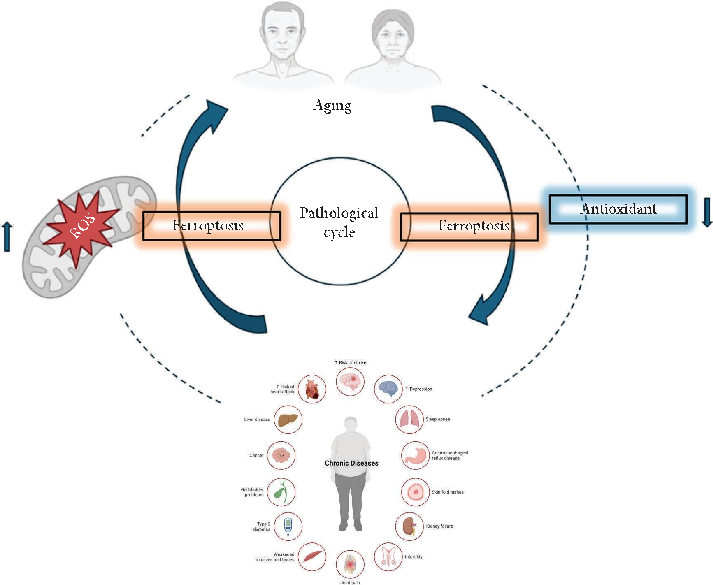
Visual summary of the pathways and interactions relevant to modulating Ferroptosis in Aging: The Therapeutic Potential of Natural Products, as discussed in the context of aging is a multifactorial process driven by accumulating cellular damage.
Modulating Ferroptosis in Aging: The Therapeutic Potential of Natural Products.
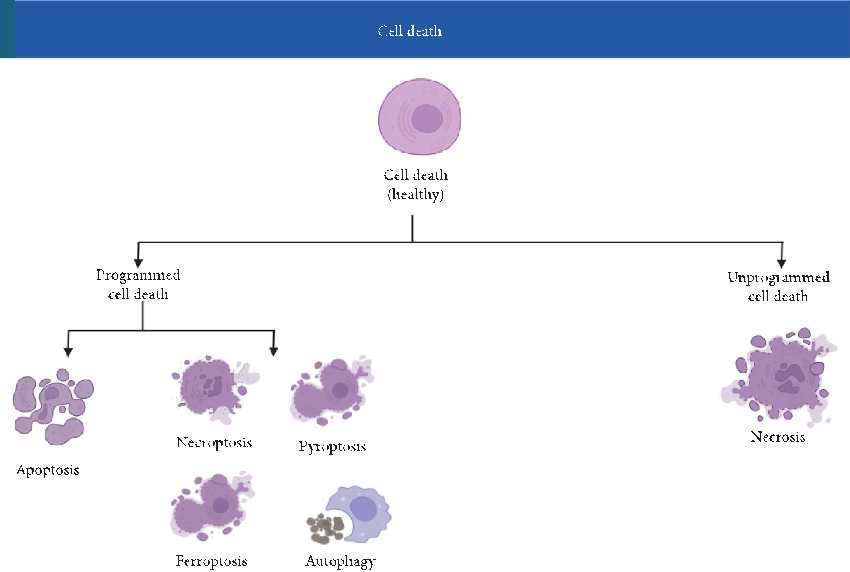
Schematic representation highlighting the mechanisms underlying modulating Ferroptosis in Aging: The Therapeutic Potential of Natural Products and their potential therapeutic implications.
Modulating Ferroptosis in Aging: The Therapeutic Potential of Natural Products.
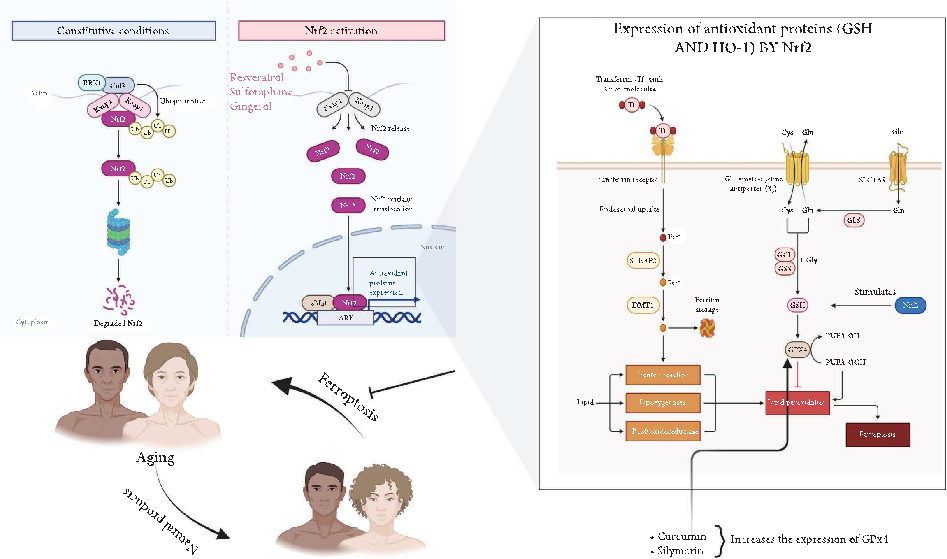
Experimental results examining modulating Ferroptosis in Aging: The Therapeutic Potential of Natural Products, with data points illustrating key findings related to aging is a multifactorial process driven by accumulating cellular damage.
Modulating Ferroptosis in Aging: The Therapeutic Potential of Natural Products.
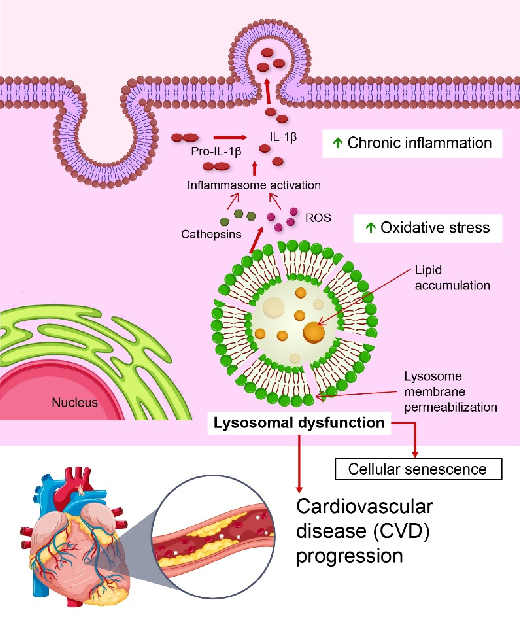
Figure 1. Role of lysosomal dysfunction in the progression of cardiovascular disease (CVD). Lysosomal dysfunction, characterized by lysosomal membrane permeabilization and lipid accumulation, leads to the release of cathepsins and …
Lysosomal Stress in Cardiovascular Diseases: Therapeutic Potential of Cardiovascular Drugs and Future …
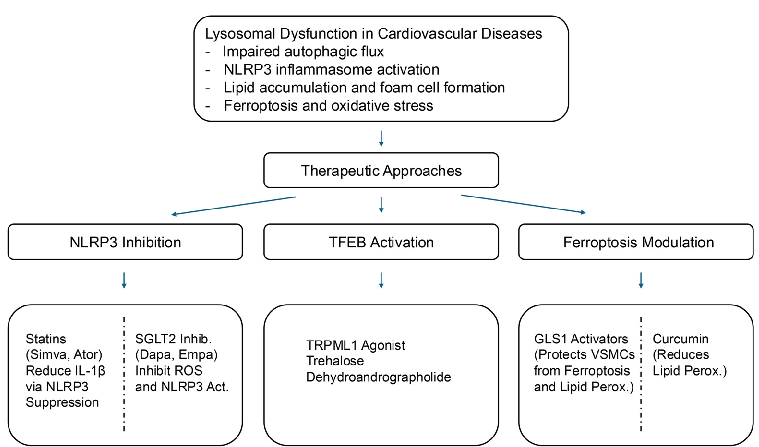
Figure 2. Therapeutic strategies targeting lysosomal dysfunction in cardiovascular diseases. This schematic illustrates lysosomal dysfunction as a central contributor to CVDs and highlights emerging therapeutic strategies targeting these pathways. Lysosomal …
Lysosomal Stress in Cardiovascular Diseases: Therapeutic Potential of Cardiovascular Drugs and Future …
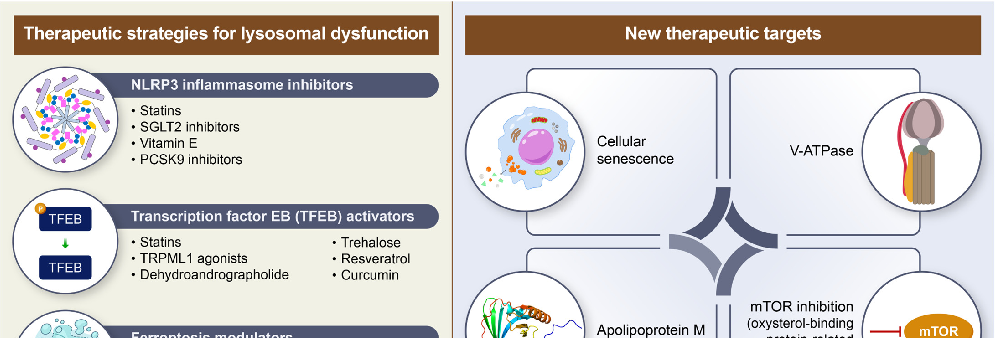
Lysosomal Stress in Cardiovascular Diseases: Therapeutic Potential of Cardiovascular Drugs and Future …

Lysosomal Stress in Cardiovascular Diseases: Therapeutic Potential of Cardiovascular Drugs and Future …
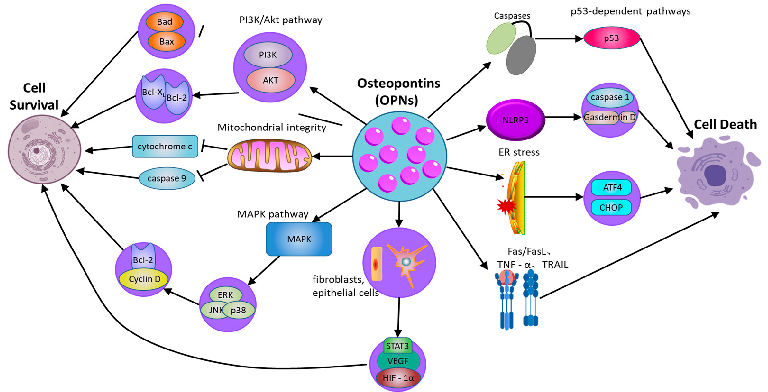
Figure 2. The role of osteopontin in regulating cell survival and cell death pathways. OPN: osteopontin; PI3K/Akt: phosphatidylinositol 3-kinase/protein kinase B; MAPK: mitogen-activated protein kinase; ERK: extracellular signal-regulated kinase; JNK: …
Osteopontin in Chronic Inflammatory Diseases: Mechanisms, Biomarker Potential, and Therapeutic Strategies.
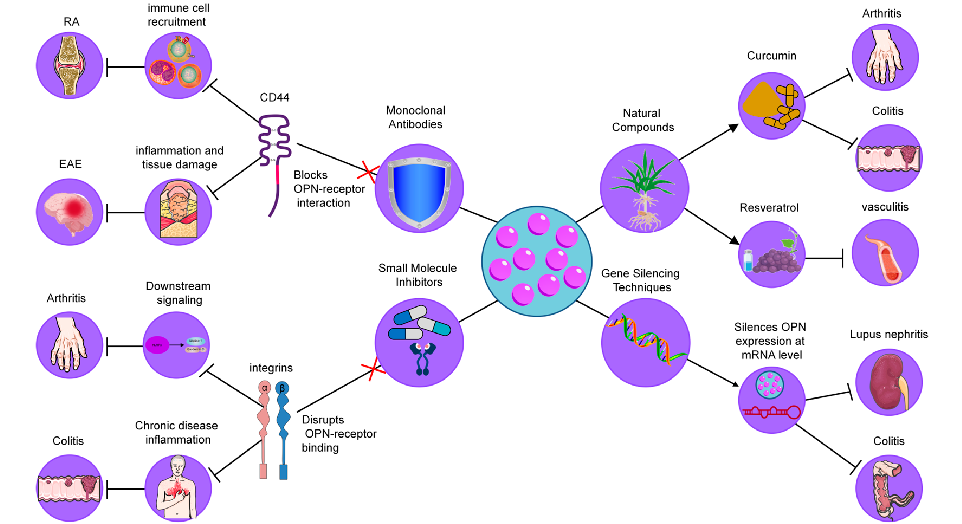
Osteopontin in Chronic Inflammatory Diseases: Mechanisms, Biomarker Potential, and Therapeutic Strategies.
Halaman 2 dari 2