Curcumin Figuras
18 figuras de pesquisa revisada por pares
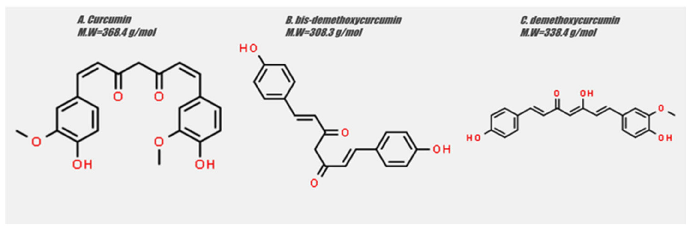
Chemical structures of curcumin, bis-demethoxycurcumin, and demethoxycurcumin - the three main curcuminoids - are displayed, highlighting the structural differences that influence their biological activity.
The Role of Curcumin in Cancer Treatment.
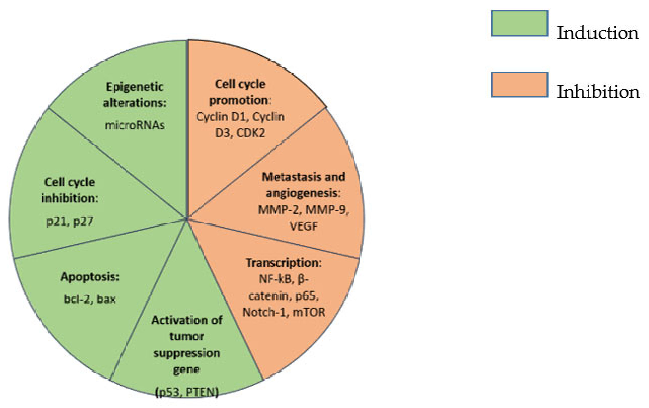
Summarized effects of curcumin on cancer cells are comprehensively mapped, showing modulation of CDK2, MMP-2, MMP-9, and multiple other molecular targets involved in tumor growth and metastasis.
The Role of Curcumin in Cancer Treatment.
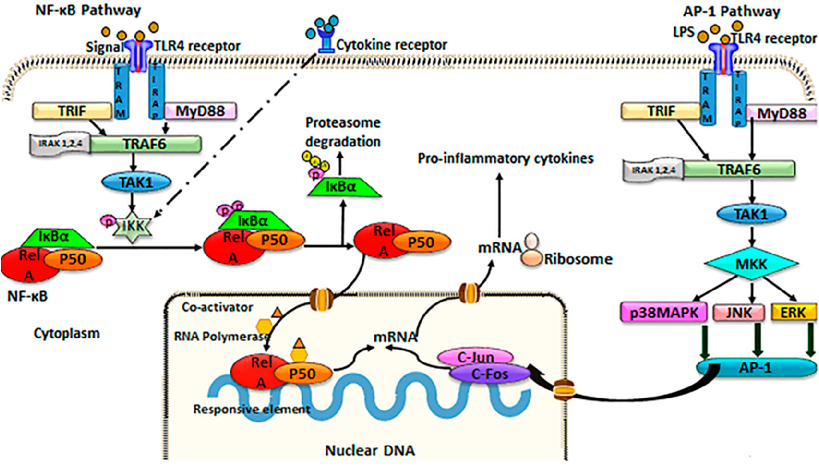
TLR4/NF-kB/AP-1 signaling is a key inflammatory pathway in intestinal disease. This schematic illustrates the cascade from TLR4 receptor activation through NF-kB and AP-1 transcription factors to pro-inflammatory gene expression, and indicates where curcumin may intervene.
Curcumin and Intestinal Inflammatory Diseases: Molecular Mechanisms of Protection.
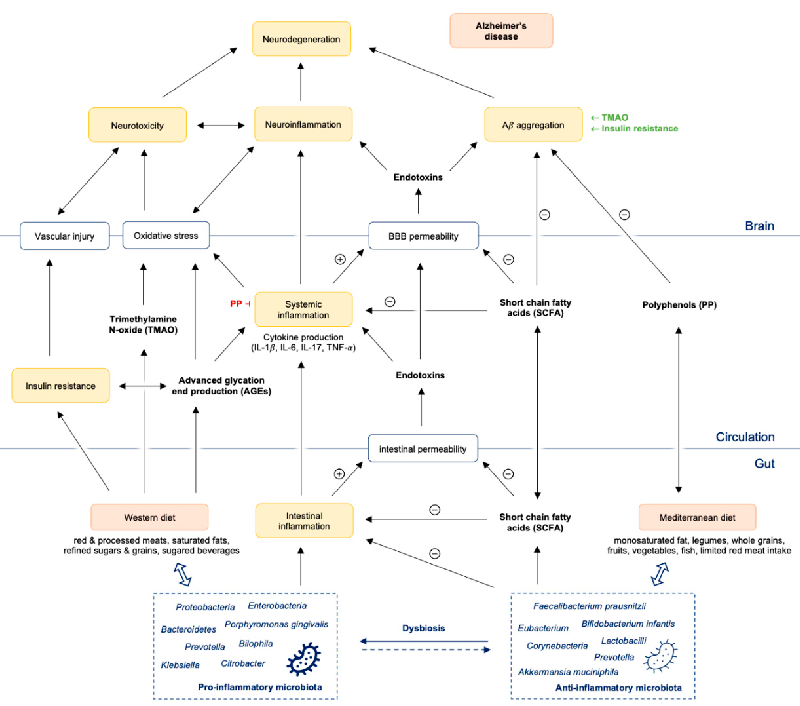
A pathway diagram illustrates how gut dysbiosis promotes intestinal and systemic inflammation, leading to amyloid-beta aggregation, neuroinflammation, and ultimately neurodegeneration in Alzheimer's disease. The cascade connects microbial imbalance to blood-brain barrier compromise and central nervous system pathology.
The Immunopathogenesis of Alzheimer's Disease Is Related to the Composition of Gut …
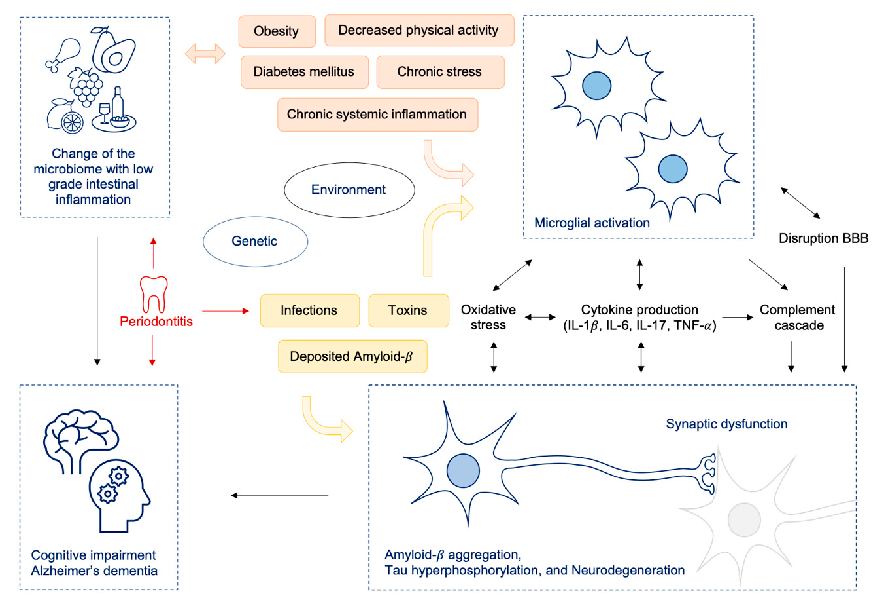
Western diet-induced microbiome changes are mapped to intestinal dysbiosis, low-grade gut inflammation, and increased permeability of both the intestinal barrier and blood-brain barrier. The resulting systemic inflammatory state is linked to neuroinflammatory processes implicated in Alzheimer's disease progression.
The Immunopathogenesis of Alzheimer's Disease Is Related to the Composition of Gut …
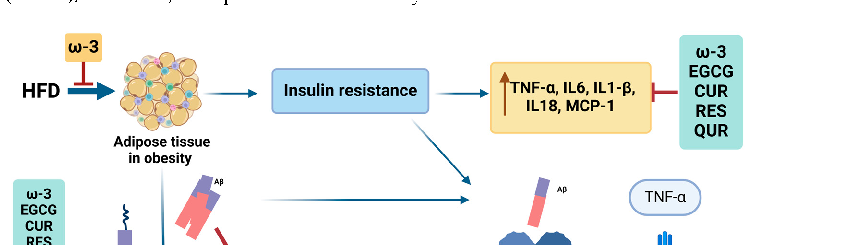
Visual summary of the pathways and interactions relevant to mechanisms Linking Obesity, Insulin Resistance, and Alzheimer's Disease, as discussed in the context of alzheimer's disease (AD) is a complex neurodegenerative disorder characterized by progressive cognitive decline, memo.
Mechanisms Linking Obesity, Insulin Resistance, and Alzheimer's Disease: Effects of Polyphenols and …
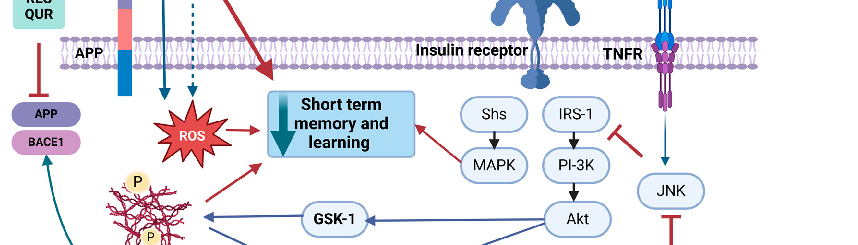
Schematic representation highlighting the mechanisms underlying mechanisms Linking Obesity, Insulin Resistance, and Alzheimer's Disease and their potential therapeutic implications.
Mechanisms Linking Obesity, Insulin Resistance, and Alzheimer's Disease: Effects of Polyphenols and …
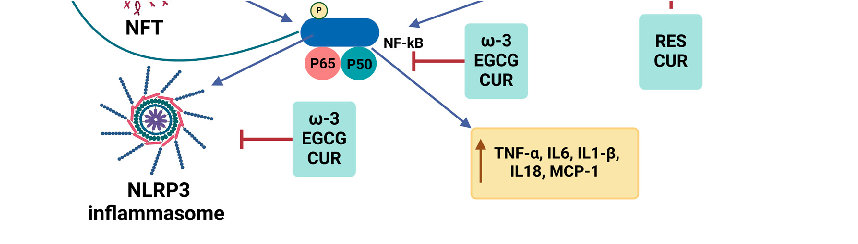
Summary of the mechanistic effects of dietary ω-3 fatty acids and polyphenols on the amyloidogenic pathway. In the context of obesity, IR, and the presence of Aβ, inflammatory pathways are upregulated.
Mechanisms Linking Obesity, Insulin Resistance, and Alzheimer's Disease: Effects of Polyphenols and …
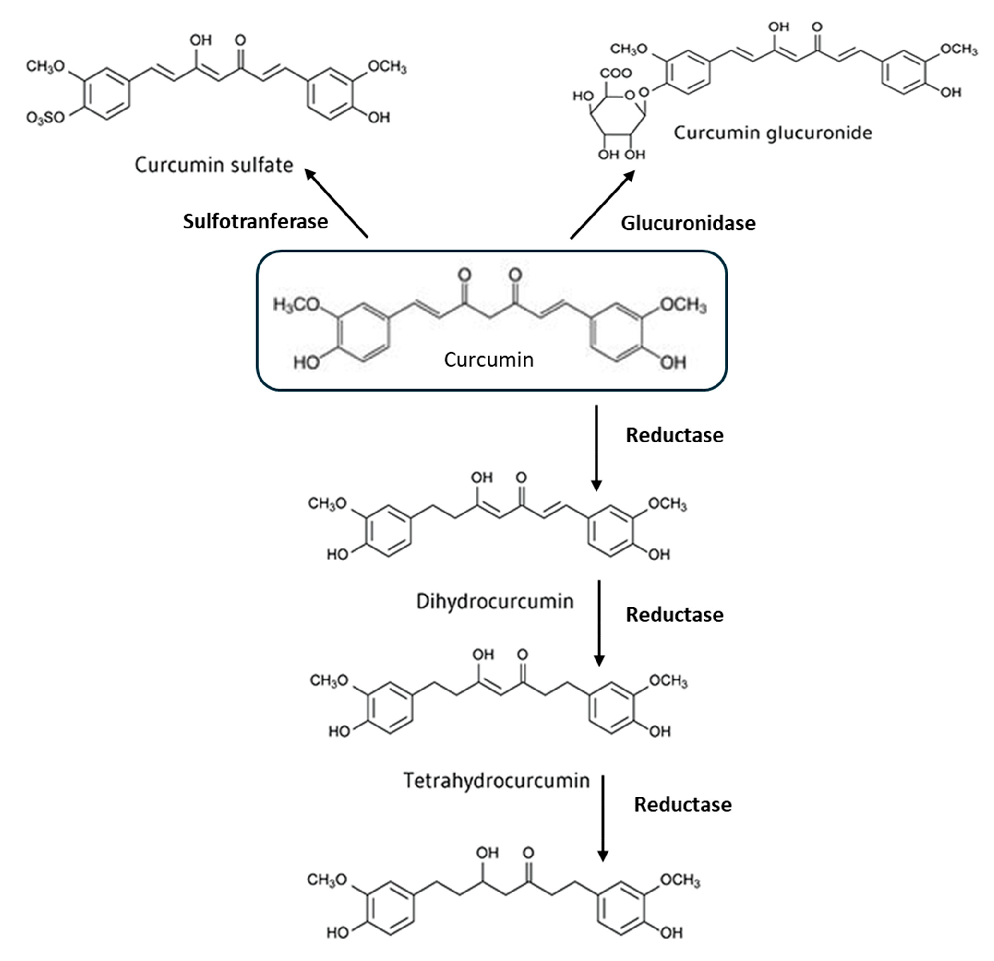
Conceptual diagram summarizing the relationship between curcumin Modulation of the Gut and the biological processes described in this research.
Curcumin Modulation of the Gut-Brain Axis for Neuroinflammation and Metabolic Disorders Prevention …

Visual summary of the pathways and interactions relevant to curcumin Modulation of the Gut, as discussed in the context of curcumin, a polyphenolic compound derived from Curcuma longa, has gained significant attention for its potential ther.
Curcumin Modulation of the Gut-Brain Axis for Neuroinflammation and Metabolic Disorders Prevention …
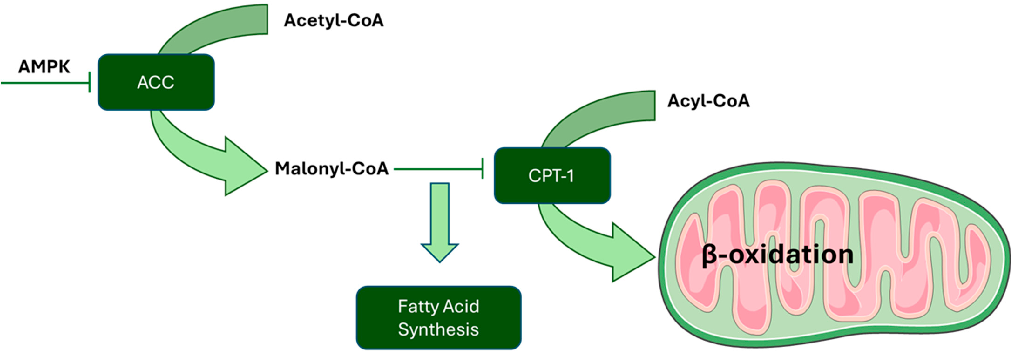
Schematic representation highlighting the mechanisms underlying curcumin Modulation of the Gut and their potential therapeutic implications.
Curcumin Modulation of the Gut-Brain Axis for Neuroinflammation and Metabolic Disorders Prevention …
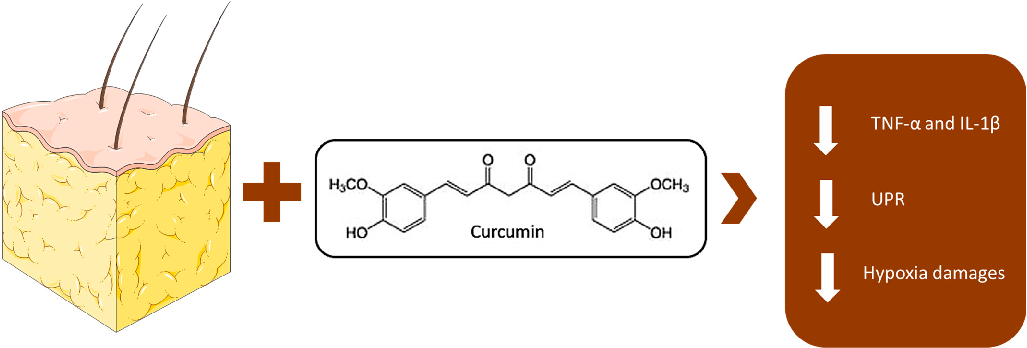
Diagram illustrating the key biological concepts related to curcumin Modulation of the Gut, synthesizing evidence presented in the study.
Curcumin Modulation of the Gut-Brain Axis for Neuroinflammation and Metabolic Disorders Prevention …
Illustrative overview of the mechanisms involved in curcumin Modulation of the Gut, depicting key molecular and cellular pathways.
Curcumin Modulation of the Gut-Brain Axis for Neuroinflammation and Metabolic Disorders Prevention …
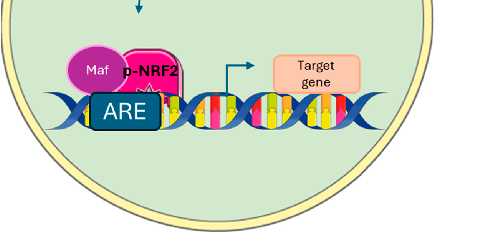
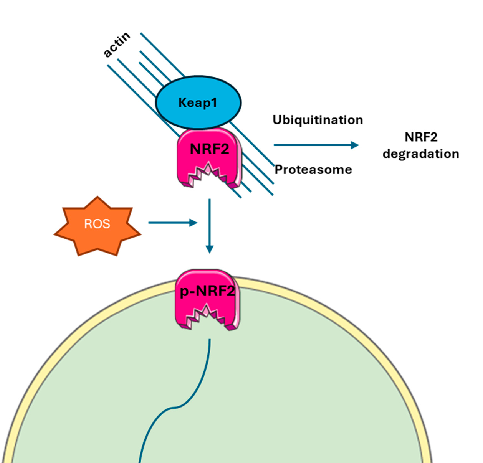
The Keap1-NRF2 pathway. Under normal conditions, Keap1 behaves as a negative regulator of NRF2, preventing its activation and thereby inhibiting its antioxidant response.
Curcumin Modulation of the Gut-Brain Axis for Neuroinflammation and Metabolic Disorders Prevention …
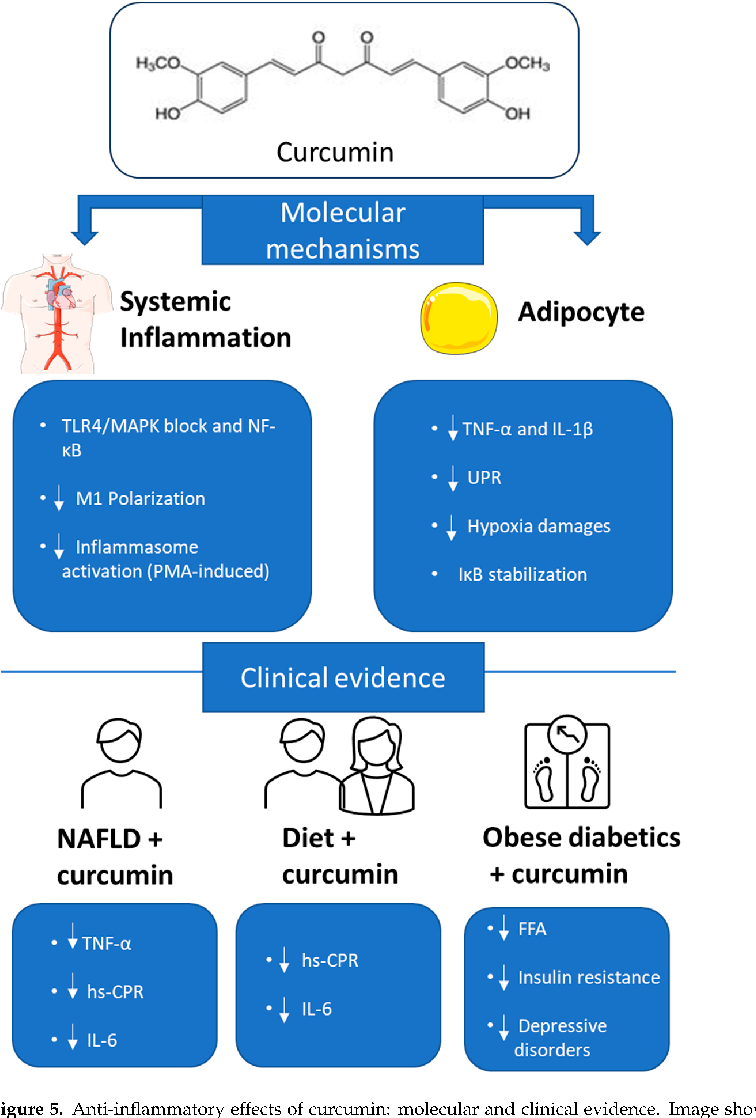
Anti-inflammatory effects of curcumin: molecular and clinical evidence. Image shows the main mechanisms by which curcumin exerts anti-inflammatory effects both systemically and in adipocytes.
Curcumin Modulation of the Gut-Brain Axis for Neuroinflammation and Metabolic Disorders Prevention …
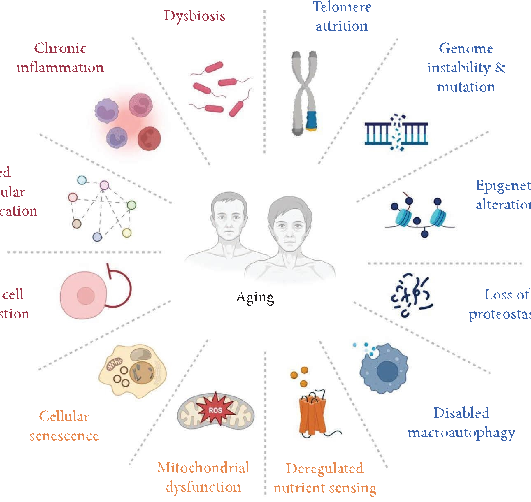
Conceptual diagram summarizing the relationship between modulating Ferroptosis in Aging: The Therapeutic Potential of Natural Products and the biological processes described in this research.
Modulating Ferroptosis in Aging: The Therapeutic Potential of Natural Products.
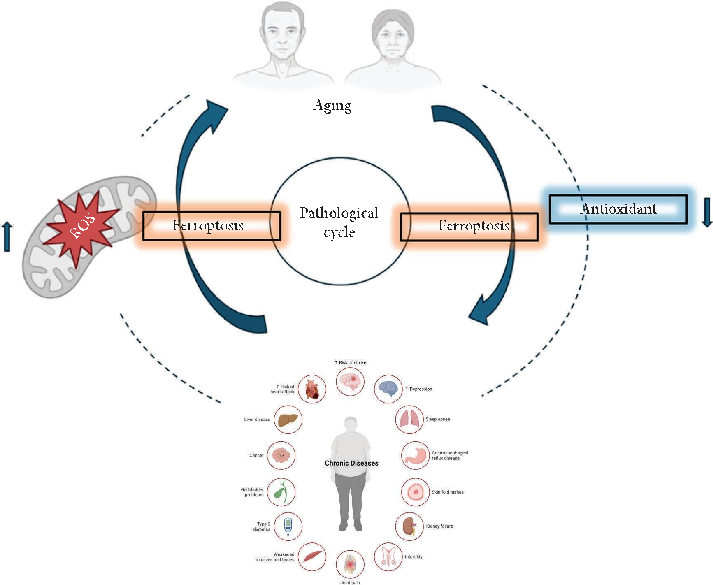
Visual summary of the pathways and interactions relevant to modulating Ferroptosis in Aging: The Therapeutic Potential of Natural Products, as discussed in the context of aging is a multifactorial process driven by accumulating cellular damage.
Modulating Ferroptosis in Aging: The Therapeutic Potential of Natural Products.
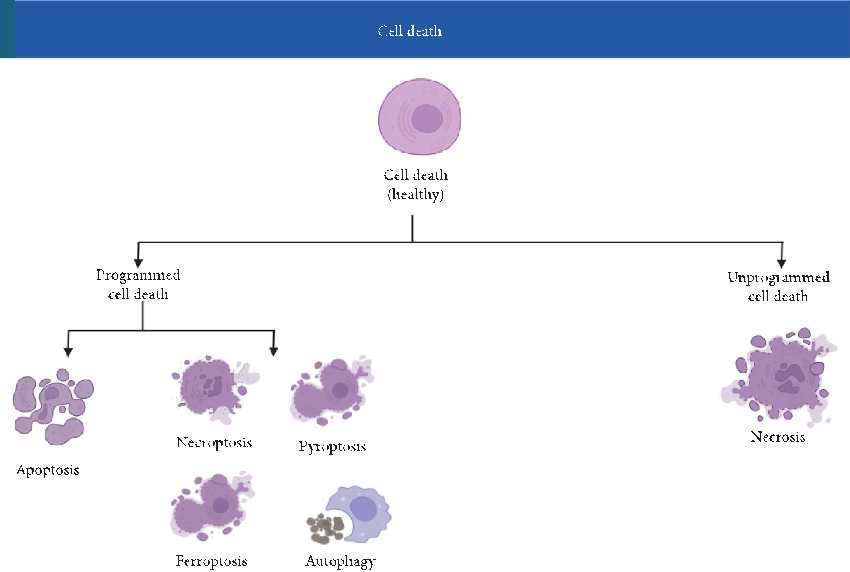
Schematic representation highlighting the mechanisms underlying modulating Ferroptosis in Aging: The Therapeutic Potential of Natural Products and their potential therapeutic implications.
Modulating Ferroptosis in Aging: The Therapeutic Potential of Natural Products.