عملية البحث
333 أشكال من أبحاث محكّمة
Measured parameters from a study evaluating early intervention with Kan Jang® to treat upper, contributing to the overall assessment of BACKGROUND AND AIM: Andrographis paniculata and Eleutherococcus senticosus preparations and their fixed combination, .
Early intervention with Kan Jang® to treat upper-respiratory tract infections: A randomized, …
Graphical representation of outcomes in a study of early intervention with Kan Jang® to treat upper, highlighting trends observed across experimental conditions.
Early intervention with Kan Jang® to treat upper-respiratory tract infections: A randomized, …
Quantitative data from a study on early intervention with Kan Jang® to treat upper, presenting measured outcomes relevant to the investigation of BACKGROUND AND AIM: Andrographis paniculata and Eleutherococcus senticosus preparations and their fixed combination, .
Early intervention with Kan Jang® to treat upper-respiratory tract infections: A randomized, …
Experimental results examining early intervention with Kan Jang® to treat upper, with data points illustrating key findings related to BACKGROUND AND AIM: Andrographis paniculata and Eleutherococcus senticosus preparations and their fixed combination, .
Early intervention with Kan Jang® to treat upper-respiratory tract infections: A randomized, …
Statistical analysis from research investigating early intervention with Kan Jang® to treat upper, comparing treatment groups and control conditions.
Early intervention with Kan Jang® to treat upper-respiratory tract infections: A randomized, …
Measured parameters from a study evaluating early intervention with Kan Jang® to treat upper, contributing to the overall assessment of BACKGROUND AND AIM: Andrographis paniculata and Eleutherococcus senticosus preparations and their fixed combination, .
Early intervention with Kan Jang® to treat upper-respiratory tract infections: A randomized, …
Graphical representation of outcomes in a study of early intervention with Kan Jang® to treat upper, highlighting trends observed across experimental conditions.
Early intervention with Kan Jang® to treat upper-respiratory tract infections: A randomized, …
Quantitative data from a study on early intervention with Kan Jang® to treat upper, presenting measured outcomes relevant to the investigation of BACKGROUND AND AIM: Andrographis paniculata and Eleutherococcus senticosus preparations and their fixed combination, .
Early intervention with Kan Jang® to treat upper-respiratory tract infections: A randomized, …

Experimental results examining early intervention with Kan Jang® to treat upper, with data points illustrating key findings related to BACKGROUND AND AIM: Andrographis paniculata and Eleutherococcus senticosus preparations and their fixed combination, .
Early intervention with Kan Jang® to treat upper-respiratory tract infections: A randomized, …
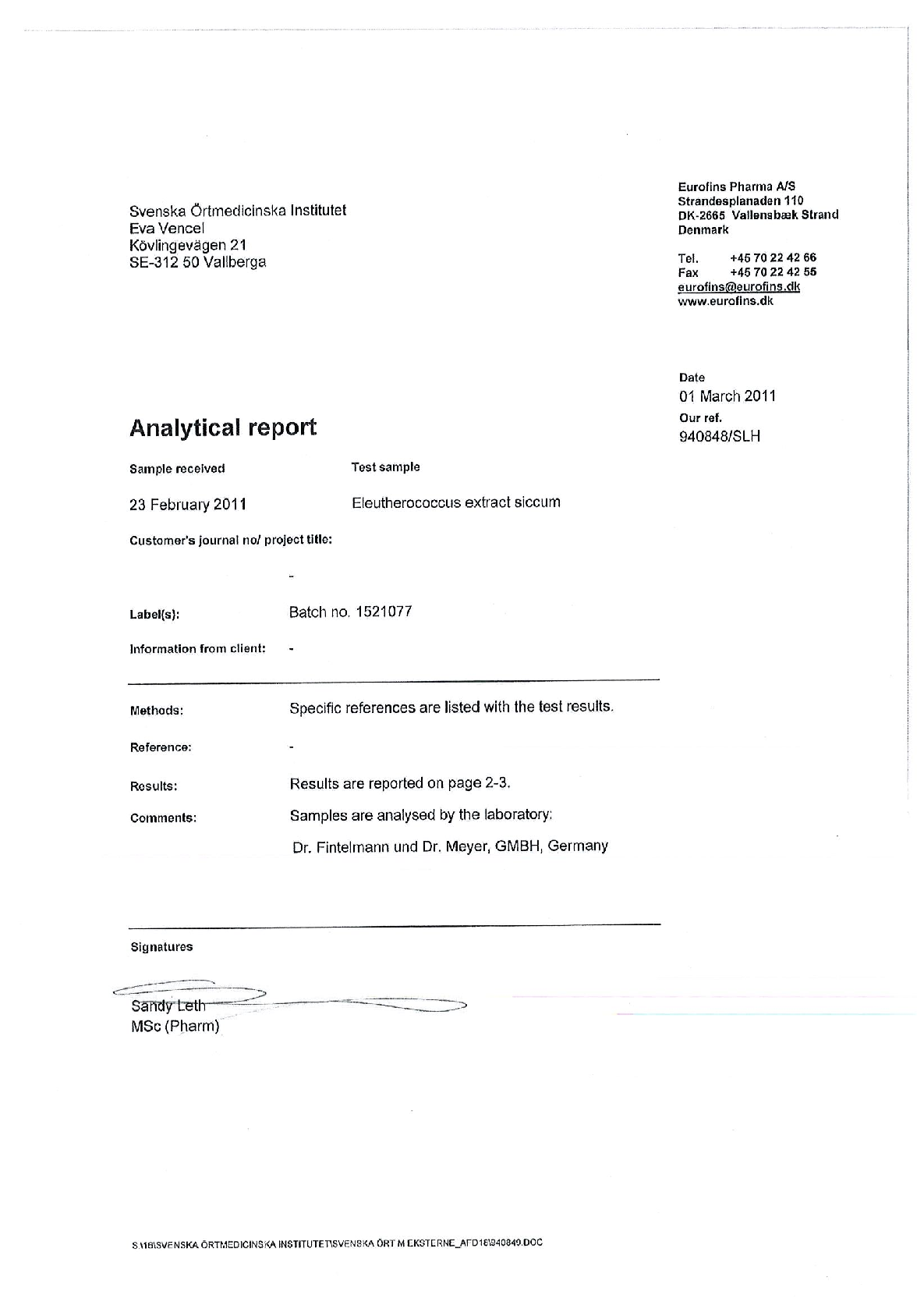
Statistical analysis from research investigating early intervention with Kan Jang® to treat upper, comparing treatment groups and control conditions.
Early intervention with Kan Jang® to treat upper-respiratory tract infections: A randomized, …
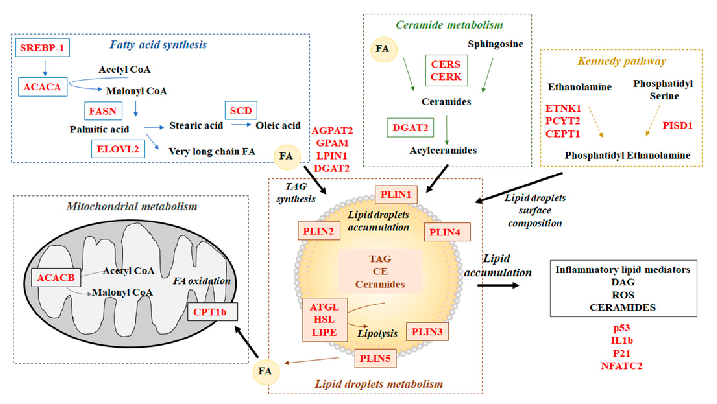
Figure 1. Metabolic pathway of genes considered in the study. FA = fatty acids; TAG = triacylglycerol; CE = Esterified Cholesterol; DAG = Diacylglycerol; ROS = Reactive Oxygen Species.
Supplementation of Enriched Polyunsaturated Fatty Acids and CLA Cheese on High Fat …
Experimental results examining astaxanthin Inhibits Oxidative Stress, with data points illustrating key findings related to oxidative stress induces DNA damage which can be repaired by DNA repair proteins, such as Ku70/80.
Astaxanthin Inhibits Oxidative Stress-Induced Ku Protein Degradation and Apoptosis in Gastric Epithelial …
Statistical analysis from research investigating astaxanthin Inhibits Oxidative Stress, comparing treatment groups and control conditions.
Astaxanthin Inhibits Oxidative Stress-Induced Ku Protein Degradation and Apoptosis in Gastric Epithelial …
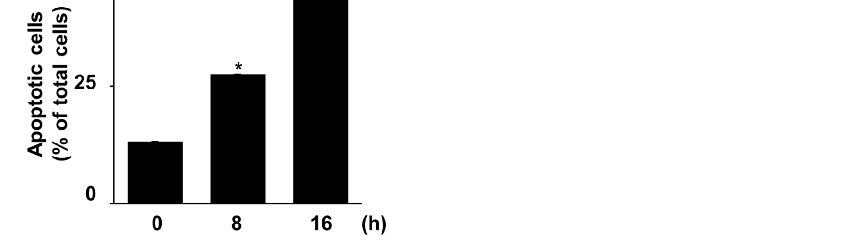
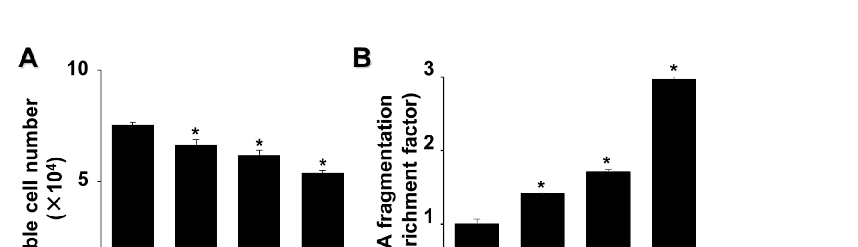
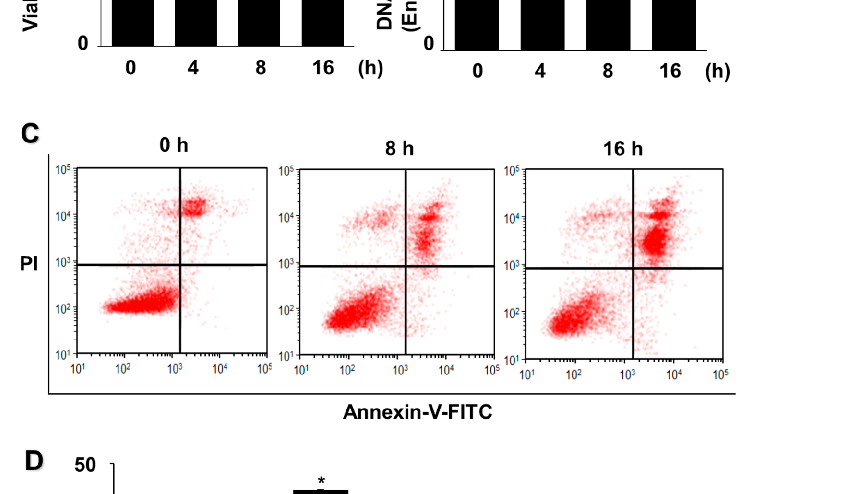
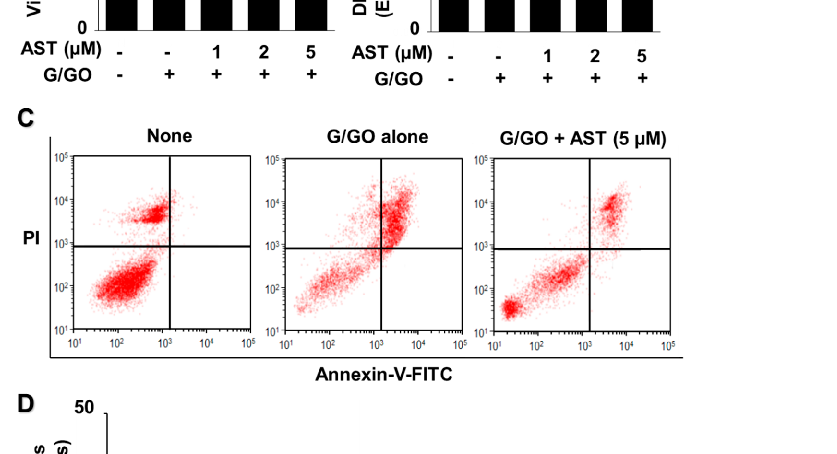
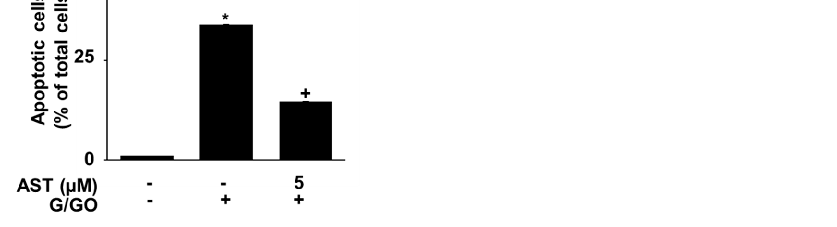
Glucose/glucose oxidase (G/GO) treatment induced cell death, DNA fragmentation, and apoptosis in AGS cells. The cells were stimulated with G/GO for the indicated periods.
Astaxanthin Inhibits Oxidative Stress-Induced Ku Protein Degradation and Apoptosis in Gastric Epithelial …
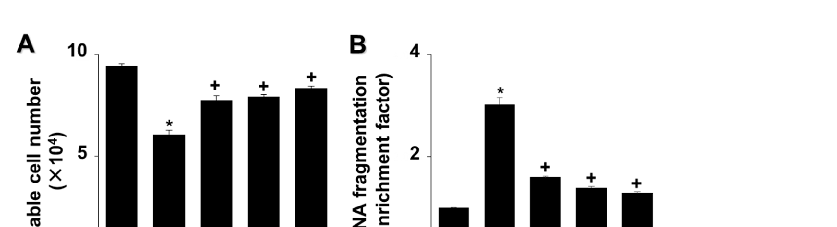
cells in G/GO-treated cells (Figure 2C,D). These data show that astaxanthin inhibits G/GOinduced cell death, DNA fragmentation, and apoptosis in AGS cells in a dose-dependent manner.
Astaxanthin Inhibits Oxidative Stress-Induced Ku Protein Degradation and Apoptosis in Gastric Epithelial …
Quantitative data from a study on astaxanthin Inhibits Oxidative Stress, presenting measured outcomes relevant to the investigation of oxidative stress induces DNA damage which can be repaired by DNA repair proteins, such as Ku70/80.
Astaxanthin Inhibits Oxidative Stress-Induced Ku Protein Degradation and Apoptosis in Gastric Epithelial …
Experimental results examining astaxanthin Inhibits Oxidative Stress, with data points illustrating key findings related to oxidative stress induces DNA damage which can be repaired by DNA repair proteins, such as Ku70/80.
Astaxanthin Inhibits Oxidative Stress-Induced Ku Protein Degradation and Apoptosis in Gastric Epithelial …
Statistical analysis from research investigating astaxanthin Inhibits Oxidative Stress, comparing treatment groups and control conditions.
Astaxanthin Inhibits Oxidative Stress-Induced Ku Protein Degradation and Apoptosis in Gastric Epithelial …
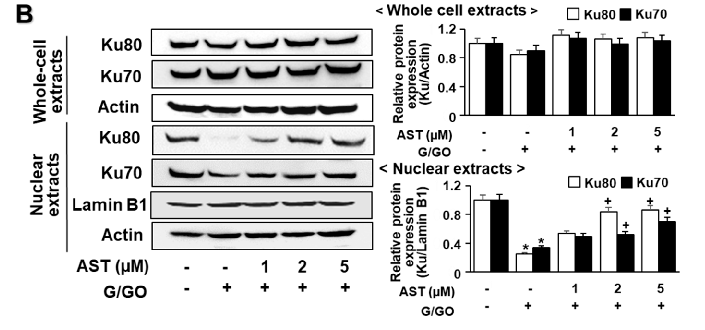
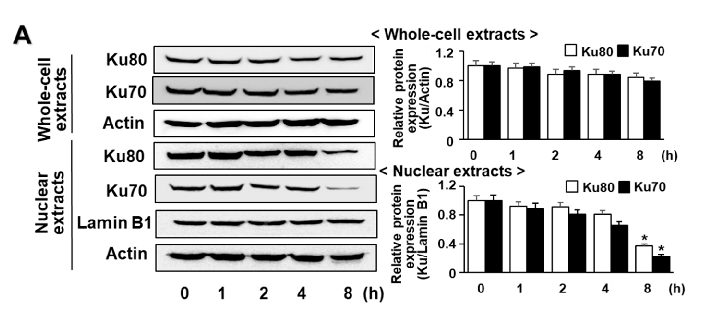
Astaxanthin inhibits glucose/glucose oxidase (G/GO)−induced decrease in Ku70/80 levels in whole-cell extracts and nuclear extracts in AGS cells. The cells were (A) treated with G/GO for the indicated time periods or (B) pre−treated with the indicated concentrations of astaxanthin for 3 h, followed by stimulation with G/GO for 8 h.
Astaxanthin Inhibits Oxidative Stress-Induced Ku Protein Degradation and Apoptosis in Gastric Epithelial …
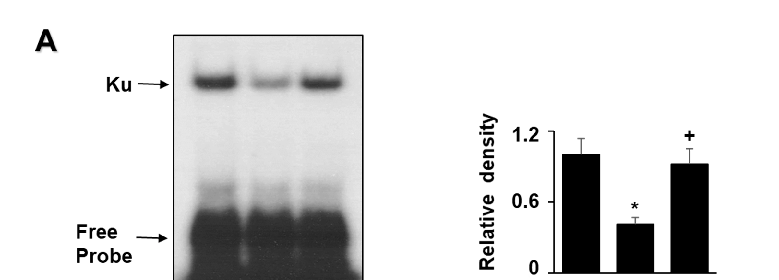
Graphical representation of outcomes in a study of astaxanthin Inhibits Oxidative Stress, highlighting trends observed across experimental conditions.
Astaxanthin Inhibits Oxidative Stress-Induced Ku Protein Degradation and Apoptosis in Gastric Epithelial …
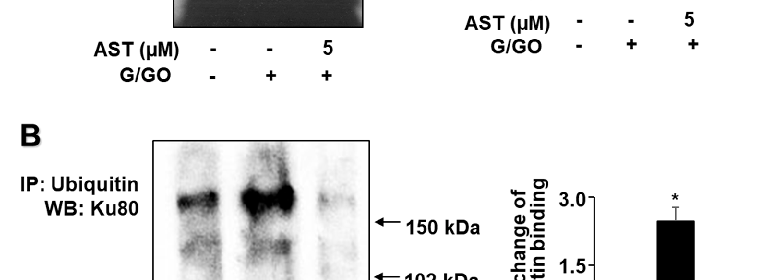
Quantitative data from a study on astaxanthin Inhibits Oxidative Stress, presenting measured outcomes relevant to the investigation of oxidative stress induces DNA damage which can be repaired by DNA repair proteins, such as Ku70/80.
Astaxanthin Inhibits Oxidative Stress-Induced Ku Protein Degradation and Apoptosis in Gastric Epithelial …
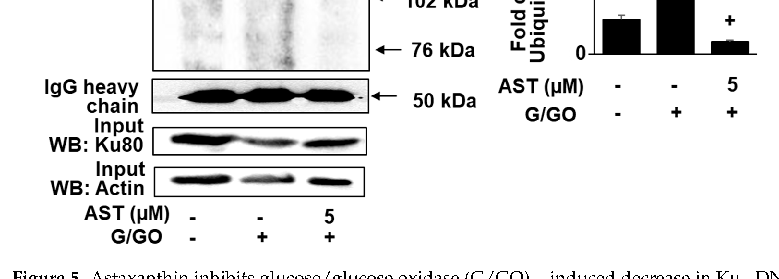
Experimental results examining astaxanthin Inhibits Oxidative Stress, with data points illustrating key findings related to oxidative stress induces DNA damage which can be repaired by DNA repair proteins, such as Ku70/80.
Astaxanthin Inhibits Oxidative Stress-Induced Ku Protein Degradation and Apoptosis in Gastric Epithelial …
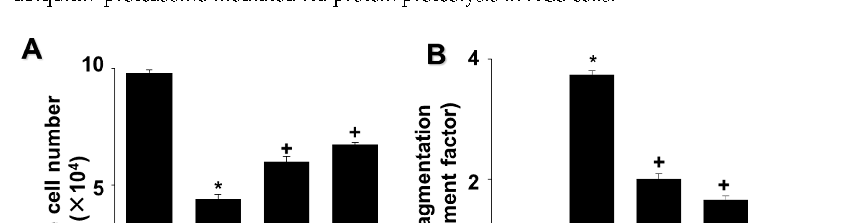
Statistical analysis from research investigating astaxanthin Inhibits Oxidative Stress, comparing treatment groups and control conditions.
Astaxanthin Inhibits Oxidative Stress-Induced Ku Protein Degradation and Apoptosis in Gastric Epithelial …
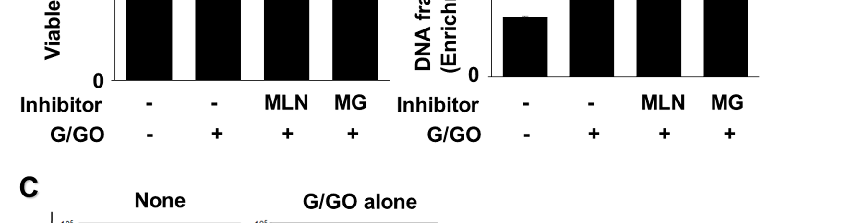
Measured parameters from a study evaluating astaxanthin Inhibits Oxidative Stress, contributing to the overall assessment of oxidative stress induces DNA damage which can be repaired by DNA repair proteins, such as Ku70/80.
Astaxanthin Inhibits Oxidative Stress-Induced Ku Protein Degradation and Apoptosis in Gastric Epithelial …
الصفحة 11 من 14